
-
Posts
1,021 -
Joined
-
Last visited
-
Days Won
50
Everything posted by Adrienne
-
Hello, thanks for the update, An unpredictable environment is often the biggest enemy of any behavior modification program. It can undo all the positive associations one has worked hard on creating and further convince the dog that the place is really scary, so yes, it's important to protect any progress made as much as possible. Often, it's best to just keep things very brief, taking baby steps and ending the session on a positive note just for the sake of 'bringing home something good" and with the dogs eager to continue. So it may help to make something great happen (the chicken, play with your sister's dog), and then if possible, aim to go back home (and back to safety from the dog's perspective) so that the session ends on a positive note and the pup hasn't had the chance to rehearse any fearful behaviors. It seems like your sister's dog was helping a lot initially (play is on the total opposite spectrum of fear as fearful dogs won't play!), but perhaps at some point things just go too intense and overlapped so the scary sight/sound of cars then predominated. I am glad that after the busy road there was a quieter road, hopefully that calmed him down a bit so that he came back home in a better emotional state versus the scary busy road being the least impression. Hopefully he was able to recover fast and focus on playing with his sister afterward once back home. In any case, if there was some form of setback, then the remedial work is to go back a few steps and until he develops better coping skills and more confidence. It would be important to ensure the home/yard remains a positive, fun place that feels safe. When dealing with an unpredictable environment, it may help to "artificially" (so to say) create some set-ups so that we have some better level of control over the environment. In other words, if we can have a helper drive by a few times in a row with the dog under threshold at a distance (maybe inside the home with the door open), this may work to our advantage. This may create the perfect set-up for the OPEN/BAR CLOSED/BAR method. Every time, the car is seen passing by, chicken happens, when the car is out of sight, no more chicken. Care is needed though to be extra, extra careful to ensure all goes well, because we want to expand his world versus closing it up more. Calming aids may be helpful to pave the path for a better learning state, although, the process should remain the same (always taking baby steps, creating positive associations, watching for signs of stress, and preventing as much as possible setbacks). There are a variety of calming aids from over the counter ones, to DAP collars, to Thundershirts, Calming Caps, but sometimes when the fear is too much or life is just too unpredictable, to the point it impairs a dog's cognitive functions, vets may prescribe medications often to be used along with the guidance of a dog behavior professional for correct implementation of behavior modification. It is hard to say whether it may be worth a try going to your sister's street. It could go well maybe, but maybe not. I would be worried if something unexpected would happen again further convincing him that now almost everywhere is scary. If your puppy has never been to your sister's place, consider that usually fears tend to intensify in novice places compared to more familiar places. Perhaps it can be though a good future project once he seems to do better in your area. You may have to have get creative at times on walks to protect your hard work as you progress and prevent scary exposures that he's not ready to deal with yet. For example, if there are large trash cans or parked cars in your neighborhood, you may want to stand behind them on walks with your pup as a car is passing so that they can work as a visual barrier and buffer a bit the effect. Or on sidewalk, you may walk on the side of traffic so that your body blocks a bit of the view and your pup gets to stay farther away from the cars. These are just a few ideas that come to mind. But yes, slow and steady wins the race in behavior modification.
-
Hi Kenneth, Thank you so much for taking the time to update. Keeping my fingers tightly crossed that he's learning to not pee in the cage! Keep up the good work in what you're doing as it seems to be helping. Best, Adrienne
-
You are very welcome! Keep me posted on how things go. I am always here is you have any other questions or need some troubleshooting. Happy training! Best, Adrienne
-
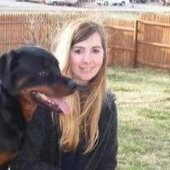
Shiloh says sand is greaaaat whatever sand is!
Adrienne replied to CherylHampton's topic in Dog Chat
Sounds like Shiloh has been really having a blast at the lake! Glad to hear he got out of the car well and that he was able to walk on a loose leash! Baby steps, he's still young so it may take some time to get longer attention spans. It's surely so rewarding watching pups have fun, much better than watching TV! -
You are very welcome! You sister's pup may turn out helpful, hopefully your pup will be influenced from her behaviors and will absorb some of her confidence. Keep me posted! Best, Adrienne
-
Hi Hans Peter, Hounds can be quite noisy companions! Their barking/baying is so loud, and it's because they were selectively bred to announce the presence of rabbits from a distance. Their excited barks though are not very convenient for modern-day living especially if we live in a close-knit neighborhood. I hope you have understanding neighbors. If it happens when he's playing by himself, it may help keeping his mouth occupied. Maybe you can skip the food bowl and let him go "hunt" for his kibble by hiding it around the yard or home in a treasure hunt fashion. This also provides an outlet for a dog's natural behavior (scavenging, hunting). Here's how to train it: https://www.braintraining4dogs.com/members/brain-training/elementary/the-treasure-hunt/ or maybe you can try feeding his kibble in a Kong or by shaking a bottle around: https://www.braintraining4dogs.com/members/brain-training/high-school/the-bottle-game/ When they barking is directed towards you and your family, firstly evaluate whether there is some unmet need. Can he need to go potty? Is his water bowl empty? If not, it may be he's barking because he's bored, under-stimulated, and looking for something to do. If the moment your dog barks you immediately look at him, talk to him, or get up to check what’s the matter, it could be that his behavior falls into the attention-seeking category. Dogs who bark for attention typically do so while they’re looking at the owner—and they’re usually hoping the owner will interact with them. Whether the owner scolds the dog for barking or reacts with warmth doesn’t matter, because any form of attention will do, even the negative type. So if your dog looks at you and barks, he’s likely not barking at anything, but just barking to get his daily dose of attention! In this case, it's best to ignore your dog’s barking behavior, as any type of attention fuels this type of barking. One method you can try is to get up and leave the room every time your dog barks, then come back and interact with him only once he’s quiet (expect some extinction bursts though along the way, where thebarking behavior gets worse rather than better, but keep it up ignoring and he'll soon learn that it gets him no where). Also, try offering your dog more mental stimulation and exercise throughout the day to prevent from the barking arising in the first place. If you are away for most of the day, consider going for a walk (check with your vet if he hasn't yet finished all his vaccinations) or playing a game of fetch when you get home. Hiring a pet sitter or a dog walker may help to meet your dog’s needs if you are unable to. I hope this helps, Let me know if you have other questions. Best, Adrienne
-
Hi Judy, This is a challenging situation, because we don't want to to overwhelm puppies, but we want to progress step-by-step taking small incremental steps while ensuring the puppy is comfortable. Also, understandably, puppy owners are often in a challenging place when they have young puppies, because vets often don't want puppy owners to take puppies out before they have finished their vaccinations so to prevent potentially life-threatening diseases, when this is an important time when puppies should get used to their surroundings and commonly encountered stimuli during their first few weeks in their new homes. It's very unfortunate that the puppy socialization window has to almost close right when pups are done getting their vaccines. So once they have finished their jabs, they are out in a big and loud, unfamiliar world. However, we should also factor in the possible role of genetics. If a puppy is born to parents who are emotionally prone to responding fearfully, this instability may be inherited to the puppy. Interestingly, it has also been found that if a mother dog experiences significant stress during pregnancy, the circulation of stress hormones in the bloodstream can affect her puppies who consequently "learn" that, the world they will be born into, is a scary place. Regardless, of how a fear is formed, there are several things we can try to make life better for these pups. While training is one of them, dogs cannot be trained if they are in a too fearful state. With fearful behavior, more than training, therefore, working on the issue requires behavior modification. This entails creating positive associations with anything related to traffic without presenting such stimuli in an overwhelming form. For working on dog fears, it therefore helps getting familiar with two powerful behavior modifications techniques: Desensitization and counterconditioning. Desensitization: https://www.braintraining4dogs.com/members/archive/desensitization/ Counterconditioning: https://www.braintraining4dogs.com/members/archive/counterconditioning/ Rather than leaving the area when you notice your pup is starting to not take treats and starts stalling, it would be more optimal leaving before he gets in this overwhelmed, over threshold state. Here is a read on threshold levels in dogs: https://www.braintraining4dogs.com/members/archive/threshold-levels/ And this read explains the dynamics behind avoidance behaviors and why it's preferable taking a gradual approach: https://www.braintraining4dogs.com/members/archive/exposure-therapy/ I am not sure whether carrying would be a good ides for different reasons. Firstly, we don't know how his emotional state is when he's in your arms. He might as well be stalled/not willing to take treats but you may not notice. On top of this, he may start wanting to be carried more and more any time he feels fearful. Not to mention, he may come to perceive being carried with something fearful coming. I would therefore aim to taking baby steps and continue creating positive associations. On top of the Jolly Routine, Open bar/closed bar is also helpful: https://www.braintraining4dogs.com/members/archive/open-bar-closed-bar/ If you can identify exactly what triggers his fear (passing cars, trucks) you can work on presenting such things gradually, like starting from watching from a window in a LAT fashion: https://www.braintraining4dogs.com/members/brain-training/university/look-at-that/ or playing recording in a "hear that" fashion, or even feeding treats when you notice in the yard he's pricking his ears at a car: https://www.braintraining4dogs.com/members/archive/fear-noises/ Sometimes, another puppy or even an adult, social dog may be the best teachers. If they walk confidently and without fear, the pup may come to follow their lead and walk with them with a different set of mind. You may start with a fun play session in the yard, with the other puppy ignoring any sounds and showing confidence, and then try to see how he does on a walk with this other puppy. Something worth trying if feasible. Here are some tips for dogs fearful of going on walks and going outside in general: https://www.braintraining4dogs.com/members/archive/fear-going-walks/ https://www.braintraining4dogs.com/members/archive/fear-going-outside/ Please consider that creating a more confident pup takes a multi-faceted approach. Brain games and training can help to a great extent over the long run! Clicker training in particular can be helpful especially with shaping as we are reinforcing inquisitive behaviors. For example, you can place a flattened box in the center of the room and click and treat him for any investigative behaviors (like walking towards the box, then sniffing the box, then placing a paw on the box, and then end the session with a jackpot of treats once she walks on the box). You can find how to clicker train your dog in the clicker training section. If your dog is scared of the clickers sound I dropped a link about how to tackle that as well. https://www.braintraining4dogs.com/members/brain-training/clicker-training/ https://www.braintraining4dogs.com/forum/showthread.php?246-Dog-is-terrified-of-the-clicker&highlight=clicker There are several tips you may find helpful in this recent post.. Although your pup seems OK in quiet streets, it doesn't hurt to further reinforce that the outside is a good place by taking the baby steps outlined in this post (feeding high-value treats by the door, then the door open etc until you can progress to her taking treats while looking outside) https://www.braintraining4dogs.com/forum/showthread.php?250-Rescue-dog-affraid-of-everything/page2 Let me know if you need any elucidations as I know this is a whole lot of reading material! Best, Adrienne
-
Hi Christine, Welcome to the forums! I hear you! I have had many dog owners have come to me because they felt they weren't getting from dog trainers the help they needed. Here's the thing; when doing group classes, it's not too easy to give that level of individual attention most dog owners need. This can be because there's so much to cover in classes and in very little time and often there are classes following classes so time is short in between. Also, in the training area, things seem very easy because it's a controlled environment, whereas, when we then go apply what our pups learned from class into the real world, that's where things often start falling apart. This is because we have many more distractions and these work against us. There are several things though we can do in these cases. Firstly, I want to point out that this may be just a temporary phase. Your pup just turned 6 months old, and is now in the full adolescent stage. You can read about what happens in this stage here: https://www.braintraining4dogs.com/members/archive/survive-dogs-adolescent-stage/ During this time, things may regress a bit and this is explained under the "stuck in a duh moment." I fully agree with your trainer not to allow the pulling as this will reinforce the behavior, and I also agree with the not pulling back. However, I still think we need some type of consequence for this behavior, otherwise you the leash pulling will put roots and strengthen (yes, even undesirable behaviors are subject to the power of positive reinforcement since pulling gets them closer to whatever they are trying to explore/sniff/greet). So here are a few tips that come to mind: -Provide some sort of consequence. Every time your dog pulls, make sure there is a consequence. The consequence doesn't need to be something aversive such as delivering a harsh leash correction. It can be as simple as stopping walking or turning the opposite way. I personally, like to stop and wait for the dog to realize that he doesn't get anywhere if he isn't walking with me. I adhere to the rule that "a loose leash is my accelerator and a tense leash is my brake" and apply it consistently. " -Avoid behavior chains. Now sometimes, with some smart dogs, we may get stuck with them pulling in a yo-yo fashion. They'll be pulling, then they come to us for a treat, then forge ahead and pull, then come get a treat etc. This a behavior chain that requires some skill to stop. I work on this with providing frequent feedback. If your dog does this, the moment he pulls ahead, you can use a slowing down option to put in the middle of the two behaviors (heeling next to you and pulling. In other words, right after your dog has eaten the treat after several steps of heeling, start slowing down and then stop in your tracks the moment he reaches the end of the leash. Imagine being a tree, where as your dog starts pulling, you start getting heavier, slowing down and then you stop in your tracks, put roots and "become a tree." You want to anticipate your dog in this. If you do this enough times, your dog will come to learn that "When I start to pull, my owner slows down, when I reach the end of the leash my owner stops, when I don't pull my owner keeps walking and I even get tasty treats! Pulling or trying to pull is not good if I want to keep walking!" You can even issue a warning that you are about to slow down by saying a split second prior to slowing down something like "slow down" and then "oops, tree spell!" (or anything else) once you put roots and stop walking. This pre- warning will help your dog succeed as he will learn to adjust his pace to yours upon hearing you pronounce that, while the "tree spell" works to get your dog's attention and understand what is happening. So once your dog understands, that, when he forges ahead and pulls you slow down and stop, you'll notice more occasions of him walking next to you which you can promptly reward so he learns it's great to stick nearby. Other tips that come to mind: -Add duration to leash walking. When your dog is walking nicely next to you, try your best to add duration by feeding your dog more treats (always in the reward zone which is next to you!) to keep him more consistently by your side. In other words, try to don't give him a chance to forge ahead. You may need to give more treats initially, but then you can start spacing them out more and more to the point that you’ll be able to walk your dog on a loose leash for an occasional reward (variable schedule of reinforcement).The good thing is that your treats don't need to be big for this task, you can break a treat in several smaller pieces for the exercise so can considerably cut down on the amount you feed at every session. So a session may go like this: if your dog heels next to you for 10 seconds and then forges ahead, you can praise/treat for different time variants like every 1, 3, 2, 7, seconds etc. to build duration. You may need to therefore initially immediately praise/reward before your dog is able to walk ahead and leave. Rinse and repeat until your dog is wanting to stay next to you longer because he's expecting more reinforcement and then gradually increase duration. -Make sure your treats are high-value enough. So-so treats give so-so results. -Evaluate whether your dog may be stressed by something on walks which can puta dent in leash work. -Evaluate whether your dog may be thirsty/tired and in need of a break. Make sure your dog is given breaks during training. Is your dog the only one in class struggling in this exercise? Are the other dogs in class older? Finally, here's a bonding exercise: If you have the space, it can also help to walk around a fenced yard and say "good boy!" and hand a treat when your dog, despite having a lot of acreage to explore, yet decides to stick nearby you. About the clicker, maybe you can ask your trainer if you can replace its sound with some other form of marker training like a smacking sound/kissy sound with your lips or whether a verbal marker may work. There is also a leash with an incorporated clicker: PetSafe Clik-R Clip Pet Leash Clicker, look it up. I hope this helps! Let me know if you have any other questions. Happy training, Adrienne
-
Shiloh says he will leash walk with this....
Adrienne replied to CherylHampton's topic in Dog Training & Behavior
Yup, he fits the picture perfectly! And the barking when he nudges and doesn't get anything? That's likely an extinction burst! It's sort of like kids that when they don't get candy at the store and they start whining. And when they see whining doesn't work, they'll escalate to crying and screaming and putting up a tantrum (extinction burst). If we stick to our plan and don't give them candy when they ask for it, they'll learn to stop pushing it and the behavior will eventually extinguish, but if we give in though and buy it-even just that one time-, they'll always try to ask for candy because we have reinforced persistence. -
Shiloh says he will leash walk with this....
Adrienne replied to CherylHampton's topic in Dog Training & Behavior
I usually use the long spoon trick for small dogs and puppies when dog owners struggle to bend down to deliver treats. The only few problems with this, is that you'll have to keep on smearing things on it, and after some time, you'll eventually have to stop using it at some point, and when you do that, the leash will likely become again too salient and tempting to bite. There are few more tips in the below link here along with a video on how I do some foundation heelwork exercises (initially without the leash) by tossing treats. If you start without the leash initially and walk fast and are careful to never toss the treat when he's actively jumping, after some time, your pup should come to understand that jumping is inefficient and a waste of energy. Do this several times, as he drains off energy and understands the concept "If I want the treat, I need to walk nearby my owner without jumping", things should start sinking in. Once you get that pat down, you can then look for more precision, and therefore move to hand feeding the treats when your dog is next to you. If your dog is about to jump as you hand feed, up goes your arm. If your dog doesn't jump, you deliver the treat. If you are super consistent and never-ever deliver the treat when he's jumping up, the jumping should start to gradually diminish and get out from the equation. We can them try the same exercise with the leash, however, we need to take some precautions of jumping to grab the leash will come back into the equation. We can do this in several ways 1) distracting him in a timely manner and keeping his mind off the leash or, 2) making the leash less enticing to bite So with distracting, you'll aim to toss treats on the ground before he has a chance to grab the leash. This way, you'll be reinforcing the behavior of not carrying the leash in the mouth, therefore creating a replacement behavior. You pup can't be focusing on grabbing the falling treats and grabbing the leash at the same time since his mouth is already occupied by chewing kibble. With making the leash less enticing to bite, you can use a metal chain leash (which most pups do not like to chew and is the easiest fix) or temporarily you can slide a 5-foot piece of narrow-gauge, lightweight PVC pipe over your leash (although impractical). I know some people spray taste deterrents like Granny's Bite apple or Bitter Yuck on leashes to make it taste bad, but some dogs even like the taste of this stuff and it can be hard to remove from our hands if we happen to touch it. With time and consistency, once your puppy is a little more mature and you can take him on longer more enriching walks (with your vet's consent, once he has finished his vaccination) you should see a reduction in wanting to chew the leash as your puppy may start getting more interested in his surroundings and at the same time he may have gained better impulse control. Many pups outgrow chewing leashes just as they outgrow chasing their tails. However, if we keep on allowing them to, the behavior may establish and put roots. The nudging behavior should not establish if you never hand feed him food contingent on nudging. Remember the golden rule: behaviors that are reinforced repeat and strengthen, behaviors that are not reinforced should weaken and extinguish. So never-ever give any reinforcement (food) when he nudges your hands (unless you specifically asked him to hand target). This may be just a temporary behavior that he is trying. Sort of like "let's see if I kick the vending machine if it will release a free treat. Nope, didn't work! I guess will need to insert the coins next time!" -
It's great that you are focusing a lot of preventing future problems, that can save from a lot of headaches later on. I imagine that he's likely sending enough meta-signals that the other dog isn't intimidated from this form of play. Keep monitoring their body language. Any tails between the legs, attempts to get away and hide behind people or furniture is a sign that it's too much. Of course though, things can change with a different playmate, so just because things are going well with this play mate doesn't mean another dog will do fine. Dogs have different play styles and some may find some components too overwhelming. Also, as dogs mature, they may start getting more picky on what dogs to be-friend. When it comes to car anxiety in puppies, it's sometimes mixed with some motion sickness. Slow and steady wins the race so you are doing the right thing with doing short, fun rides for now. If you are up for some reading, there are some threads tackling car anxiety. I pulled a couple here for you which may have a little more details to specific situations:
-
For targeting, I love to surprise pups: they'll target my left hand and then the treat is tossed from my other hand held behind my back." You can then see the happy, surprised expression on their face... "Hey where did that food come from?" It works great to get them to rely less of expecting food always from our hands. About the fighting the leash, can you list what you have tried so far? I don't want to post things you may have already tried. Anyhow, have you tried dangling a rope toy at teeth-level? Using the two-leash method? Tossing kibble as you walk? A mouth busy eating kibble, can't be biting the leash! What about the leash with chain link? I heard in your other post he chewed through one leash so it may be worthy buying a metal one next. Also, you can try doing some fun heeling but without the leash onin your hallway. No pressure. Just practice having him walk next to you and reward for being in the reward zone as described in the obedience 101 course. Once you get the behavior fluent, try with the leash on. When he gets in front of you, is it because he's busy chewing the leash? Or is he trying to bite your feet? or both? What treats are you using to train him to heel? Is he doing better not biting your hands when you attach/ un-attach the leash? Does he like his kibble? I would stop feeding from food bowls and use his kibble for training him so that you can use one kibble for desired behavior and have him work for each single piece at least when you're training indoors. Always make training fun with pups and hide your frustration as that makes them freeze or hyper. If he's able to do a couple of minutes walk, I'll take that as progress. Baby steps, he's a very young pup. You need to make it fun and a game, no pressure.
-
Hi Cheryl, You are very dedicated to helping your dog and it shines through your posts and loads of reading you are doing. Those play behaviors you describe can be problematic, but usually when dogs are super focused on just carrying those behavior out without shifting much, with no small breaks in between and with no meta-signals (play bows) which are meant to inform the other dog that despite the play is rough, it's stil just play and nothing to worry about. Now, your puppy is very young, so he still has a lot of learning to go through. If he's too rough playing, the other pup will likely provide feedback by yelping or withdrawing from play. A general good way to tell if your pup's play it too much for the other puppy is trying to remove him from the pup and see if the pup comes back to Shiloh to play more of if she seems relieved. The fact your other pup doesn't seem disturbed by it is a good sign. However, if she is giving signs of having enough play, it may be worthy putting Shiloh in a little time-out zone. Just in a place where he can drink some water and maybe enjoy a little calm activity like chewing on something tasty, while the other pup gets a break. You can divert his attention for now with a tasty treat or toy and take him to a little separated area until you can train him to respond to a positive interrupter. Here is how to train it: Given the opportunity, dogs would over play sometimes to the point of exhaustion and the other pup on the receiving end may not be too happy about it. It may also help providing a long tug toy so each pup can attach to one side and this can help shift rowdy body contact play to a calmer type of play. Shepherd dogs and shepherd mixes in general can be quite controlling in their play styles, something that not all dogs are willing to tolerate. Some may also enjoy nipping heels of running dogs. When it comes to playmates, you'll therefore have to monitor for signs of the playmate dog getting tired of having their movements controlled and therefore intervening to prevent defensive responses from the playmate and persistent behaviors from your dog. It goes without saying that play should be something that both parties are seemingly enjoying.
-
16 Month-old Male Husky Getting Aggressive?
Adrienne replied to HollyFerguson's topic in Dog Training & Behavior
Hi there, Welcome to the forums, I am sorry to hear that your dog has undergone such personality changes. I agree with you that it's likely stemming from potential frustration of being on leash, and on top of that, exposure to the adults/kids mistreating him. I hope they were reported as this is abuse that can have an everlasting impact on a dog and no other dogs deserve to undergo such awful treatments! The thing is, being leashed takes the dog's flight option away (option to move away) so dogs become inclined to use fight more (aggressive behavior) rather than avoidance. This becomes even more problematic and established if something happens while the dog is leashed that the dog perceives as threatening. The same dynamics take place when dogs are chained, which is why it has become illegal in many States. Too many dogs getting aggressive as a result. I am not very familiar with how fly-in communities are arranged, but are there any other alternatives to leaving dogs leashed and at the mercy of wrong-doers? Also, considering your dog's behavior now, we also need to consider the importance of keeping other people/animals safe from your dog as this sounds like an accident ready to happen-you never know a child or person may get too close. What other options do you have? Does your home have a fenced yard? Can you build a kennel? Is he destructive in the home? Where do you leave him when you need to do something like go grocery shopping? How many hours are you at work? He also needs to be on leash since his behavior around people and other dogs sound unsafe too. Off-leash adventures are a privilege that should only be granted to highly-trained dogs under excellent voice control and with non-aggressive tendencies. Being off leash is a privilege and it should be warranted only once the dog has proven himself to not get into trouble when there are people or other dogs around. If you want your dog to have some freedom to sniff around and explore, a long line may be good compromise. A long-line is a long, light rope or cord that may range anywhere between 10 and 50 feet long. In your case, 10 feet would be ideal until you can work more on getting Malakai under control. You can often find long lines in horse and tack stores as the ones for horses may also work well for dogs, but nowadays more and more companies are crafting long lines specifically for canines especially for tracking purposes. Generally, I start with the shorter ones and increase length as the dog proves himself worthy of more impulse control. If he is leash trained (doesn't object to being on leash, doesn't get frustrated), I would therefore consider keeping him on leash or 10 foot line at the most. When using a long line, you will always need to be scanning for triggers ahead so that you can quickly reel your dog in closer to you for better control. I like to wear gloves to protect my skin from rope burn, but it's nice to see that lately some companies are making some lines in leather which are much more gentle on the hands. However, the rope ones offer the advantage that you can tie knots every few feet that you can use to gain traction and hold on to have a better grip in case your dog takes off running. You will also have to keep a close eye that the line doesn't get wrapped between your legs or your dog's legs. Ideally, the line should stay to your dog’s side so to not interfere with movement. Unlike a retractable leash, a long line encourages engagement with your dog and provides you with a "life line" for emergency situations. A long-line as well can help in modifying a dog's behavior because it prevents him from rehearsing troublesome behaviors that may lead to a bite one day. Rehearsing problematic behaviors is a big issue considering that the more a dog rehearses them, the more they put roots. At 16 months, your husky is in the full adolescent stage. This is often a time when undesirable behaviors pop up: https://www.braintraining4dogs.com/members/archive/survive-dogs-adolescent-stage/ At this point, more than actual training, to undo the negative associations with people, you will need behavior modification. This entails changing the dog's emotional response to them through counterconditioning and taking a very systematic approach with the use of desensitization. You can read about these two behavior modification methods here: https://www.braintraining4dogs.com/members/archive/desensitization/ https://www.braintraining4dogs.com/members/archive/counterconditioning/ On top of this, dogs who are reactive need to be kept as much as possible under threshold: https://www.braintraining4dogs.com/members/archive/threshold-levels/ Here is an example of behavior modification for dogs who are reactive towards other dogs on walks: https://www.braintraining4dogs.com/members/archive/attacking-dogs-walks/ And here you'll find a paragraph on dogs barking at strangers: https://www.braintraining4dogs.com/members/behavior-training/barking/other-triggers/ As mentioned many times on the forums and articles here, for safety and correct implementation of behavior modification, consult with a dog behavior consultant for an in-person assessment and in-person coaching/guidance. This is very important. For the biting you, have you noticed whether it happens in specific circumstances? Like has it happened before when you were running? Could he have seen something that may have overstimulated him? I hope he has good bite inhibition. I have had some dogs who would bite me almost non-stop when they were anxious, frustrated, cranky or overstimulated. I would put a halt to the running with him if that seems to be a trigger for him at least until he has attained a better level of impulse control. You will need to train him calm behaviors more than overstimulating ones until he's better able to cope. If you ever see him getting revved up, try to redirect him by tossing some high-value treats to the ground to chase and eat or engaging him with a tug-toy or flirt pole for dogs. Here are some impulse control/frustration tolerance exercises: https://www.braintraining4dogs.com/members/archive/impulse-control-frustration-tolerance/ I would also offer lots of calming activities such as brain games and food puzzles. Also make sure he gets deep REM sleep every day. I hope this helps, Let me know if you have any other questions, Best, Adrienne Disclaimer: behavior modification comes with risks. If your dog shows signs of potential aggression (lunging, barking, growling, snapping) for safety, please consult with a dog behavior professional who uses force-free behavior modification techniques for direct in-person guidance. -
Dog wants to go outside all the time
Adrienne replied to FabiolaMoronari's topic in Dog Training & Behavior
You are very welcome, keep me posted on how things work out! Best, Adrienne -
Thank you for the extra details, they are very helpful! That's good if you usually go out with her, because you'll have the opportunity to have her more under control. Here's the thing, we don't want to allow rehearsal of the problematic behavior because, as you already may know, repeated access to anything reinforcing makes the behavior become stronger and much more difficult to extinguish. You are battling against ingrained instincts here, and controlling such instincts requires an advanced level of training and a good level of impulse control. This doesn't happen overnight, so you will need to manage your dog in the meanwhile (actually, long-term management may be best solution and the ultimate safest option), preventing rehearsal of the chasing behavior as much as possible. On top of this, we need to consider safety. While cows and horses look like rather peaceful animals, when they are in a state of panic, they can potentially injure and even kill a dog. This is especially true when there are calves to protect, turning these pacific animals into threatening should they feel their babies are at risk. A study found that cows find dogs more threatening than unfamiliar humans, and this is possibly because dogs resemble potential predators. Dogs can therefore be attacked by cows and risk being easily crushed, butted or trampled to death. Not to mention, if a dog manages to escape and starts chasing a farmer's livestock such as sheep, horses or cows, a farmer has the legal right to shoot and kill the dog. This law is present in many USA States and it goes back to over a hundred years. Also, many livestock guarding dogs will not accept another dog in their properties and messing with livestock. So we really need to have this behavior under control to prevent rehearsal and protecting your dog and your neighbor's livestock. About fencing, it doesn't have to include the whole acreage, you can just fence up a small portion enough for leading your home's back door to an enclosed area and having the peace of mind that your dog won't escape. Your dog can sniff around, play games with you and you can practice recalls there. One of my neighbors has a shepherd mix and Aussie and these dogs are always driving him nuts as they are super high energy and last time they took off after a group of javalina (pig-looking animals quite common in Arizona) He had the scare of his life as they took off and these animals walk in large groups and are aggressive towards dogs when they have babies. I invited him over to my 1-acre yard and we worked on some recall training and he was impressed on how great it felt to finally relax knowing that his dogs weren't going to chase after animals or take off and have him wondering where they went. My 1 acre chain-link fence cost me back in time $ 6,000 and he wasn't interested in spending that much, so after some time of thinking things over, he decided to go smaller and got only 1/4 acre for less than $2,000. He made it high enough to prevent escape and of a gauge suitable for large dogs. The peace of mind for him has been priceless. If fencing is not an option, there are other ways to keep dogs outside without a fence such as building an outdoor dog kennel, installing an outdoor dog pen and gate to section off areas on a deck, patio, and lawn and using tie-outs such as stake tie-outs or trolley tie-outs, however these latter need to be crafted specifically for dogs of your weight and size and supervision is always recommended as no tie-outs are entirely dog-proof. It goes without saying that they should be used for limited amounts of time. Stakes can work their way out, trolleys may snap and dogs may get tangled. You'll therefore need to ensure these options will withstand a determined dog. Invisible fences consist of underground wire set around the perimeter of an area and a collar equipped with a transmitter which provides a signal (under the form of shock) to deter the dog from advancing towards the perimeter. Although invisible fences are very popular nowadays, they come with several risks that need to be outlined. First of all, with dogs who love to chase things, their arousal levels may be so high that they'll just run right through the shock without flinching. Secondly, invisible fences may contain dogs up to a certain extent, but they won't do anything to prevent other dogs, animals, people or children from entering their territory. This may put the dog at risk and people at risk if your dog doesn't do well with people entering her property. Thirdly, there are cases where dogs become traumatized by the invisible fences due to the shock they emit. Some dogs start becoming fearful of being in the yard and some even won't go potty any more outside. These dogs are referred to as '"porch sitters" by those in the industry. Not to mention, countless dogs once they escape from an invisible fence will be scared to return back in fear of the shock. Animal control is very well aware of this phenomenon as they often see stray dogs wearing their collars lingering around their properties but too scared to return. Because of these risks, more and more dog trainers no longer recommend these fences. Shock collars risk having the same effect since it's avoidance training. If fencing is not an option, you can find a good compromise by using a long line. A long line is like a long leash that is often used for horses who need to be trained and exercised. You can find long lines in horse tack stores, but nowadays more and more places sell them specifically made for dogs. A long line is typically made of nylon and is advertised to be used for distance training and training recalls, going on hikes, camping sites or for hunting or for simply letting dogs romp around the yard or your land. In order to use a long line, you will need to hold the other end of the line and therefore need to always be out with your dog. If you are usually out with your dog anyhow, this may be a good option. Simply clip it on before opening the door and your dog is free to romp around, sniff and be a dog. With the long line on, you can work on foundation work for a good recall. It's important though to emphasize that no dog training can be ever 100 percent effective, so a day may come where your dog won't come to you when called for various reasons, such as you haven't trained to a certain level of distraction, you call your dog too late (once she already took off) or windy conditions muffle your voice over long distances. Also, you must always be there with your dog when she's off-leash and you must always pay attention to her. All dogs should be trained a reliable recall. This cue can save your dog's life and keep her out of trouble. You cannot expect though to have a dog respond to your recall in presence of livestock if she struggles coming when called when out in the yard with nothing going on or when she sees birds or squirrels. Training a reliable recall requires lots of practice and foundational work. You'll need to gradually expose your dog to more and more distracting situations and at increasing distances, raising criteria slowly and at your dog's pace. You'll need to reward your dog super generously for ignoring tempting sights and choosing to come over you. Whatever you offer needs to be very salient to grab her attention. Only once the recall is proofed, can you expect a good level of response, although as mentioned there is no such thing as a 100 percent reliable recall. Dogs are not robots, and will always remain dogs and a day may come where they'll be exposed to a situation you haven't yet practiced with. If you are ever not sure on whether your dog will come when called in a specific situation, keep her on leash just to be sure. Every time you call your dog and your recall goes to deaf years, you are weakening it. In some dogs, where the recall has weakened to the point of the dog not even looking, it may work best to start from fresh and change the recall. So if it was "Rover come" it can be something like "Rover That'll Do!"- Boundary training is also an option, although as with the recall, you can't get that 100 percent reassurance that you can almost get with a secure fence. Here is a brief guide on how to boundary train a dog. Place flags/traffic cones in the area where you don't want your dog to cross over. Let your dog outside while on a leash and let her approach the flags/traffic cones. The moment she approaches the flags/traffic cones, tell her "leave it" (here is a guide on how to train your dog leave it) and hand her a treat to reward her for leaving the flag area and moving towards you. Repeat several times. Start adding distance. In other words, stay at the very end of the leash and walk her again towards the flags. Once again, tell her to "leave it" and praise and reward her for walking towards you. Repeat several times. Add more distance, but this time taking her out on a long line (long leash up to 15 feet). Practice more leave its as the need occurs, always praising and rewarding accordingly. Add distractions of different levels now past the flags. Start with small distractions such as placing a plastic bag or a ball past the flags. Practice your leave its. Then, you can increase the difficulty by placing over the boundary some kibble or a toy made with rabbit fur. Say "leave it" when your dog goes too close to the boundary with intent to trespass. You can further raise criteria by having a helper drag a stuffed animal or fake looking bird on a string while you practice leave its. Make sure that you reward your dog generously with treats/ foods that are higher in value than the items left. Give several in a row to leave an impact on your dog. Be consistent. Train this for several reps a day and for several weeks. Only once your dog is very fluent and reliable in her response, you can then start training this off-leash but at your own risk. This training is not meant to keep your dog within the boundary unsupervised. Please note: If your dog ever trespasses the boundary, this means you have worked at a distraction level she wasn't ready for. Call your dog and practice more at the level once again using the long line. Disclaimer: With training, there's no such thing as 100 percent reliability, regardless of the methods or tools you use to train. Use them at your own risk and discretion. If you neighbor is friendly, you should give a head's up that you are training. It may be worthy of coordinating your training at a time that you know your neighbor's animals are closed in a barn or whatever. Having your neighbor's phone number may also turn handy in case your dog would escape so that you can give them a head's up and send your dog away should he try to approach. On top of training a good recall, we also want to provide outlets. You cannot totally get rid of a dog's instincts, but you can ask for alternate behaviors (always rewarding generously) and provide outlets for their instincts. For example, you can present to a herding dog "rolling sheep" as seen in the sport of Treibball or you can have her chase "fake ducks" by enrolling in the sport of flyball. Playing with toys can also reduce your dog’s desire to ‘play’ with farm animals while releasing any pent-up energy through exercise. And on top of exercise, don't forget to provide mental stimulation through food puzzles and fun brain games! Therefore, make your dog's safety and the safety of your neighbor's animals your top concern. These methods are not meant to work when your dog is alone or unsupervised and again there is no training that is entirely fail-proof. Dogs have been compared to having the cognitive abilities of a two-year old so just as one would't leave a two-year-old toddler alone in a yard with a road or other danger nearby, we shouldn't expect that from our dogs. I hope this helps! Let me know if you have any questions! Best, Adrienne
-
Dog wants to go outside all the time
Adrienne replied to FabiolaMoronari's topic in Dog Training & Behavior
Thanks for the additional details, very helpful! At six months, your puppy is now an adolescent and this is an age where pups start getting sexually active and they tend to be more interested in sniffing and possibly urine marking. You can read about the dog adolescent stage here: https://www.braintraining4dogs.com/members/archive/survive-dogs-adolescent-stage/ This alone may cause a renewed interest in investigating outdoor smells. On top of this, just like human teenagers, adolescent dogs start desiring more independence. To answer your question, I wouldn't suggest ignoring him since that may initially lead to an extinction burst (which will lead to more insistent and annoying going-to-the-door-behavior) and then, if you keep ignoring, potential weakening of the behavior (which may lead to a dog no longer asking to go out and having an accident). Instead, every time he goes to the door, I would suggest taking your dog out on leash to one spot to potty. Don't talk to your dog, just make the task pretty matter-of-fact and boooring (yawn!). If he doesn't pee within a few set of minutes, it's time to go back inside. If he does potty, then he can be allowed to enjoy some free time to sniff and explore and walk, so therefore make outdoor fun exclusively contingent upon going potty. Here's the thing: If your dog is let out our dog out to potty and he's allowed to sniff, play/ walk and explore each time before he potties, he'll start associating getting out of the door with fun. This way, by accompanying him on leash and taking him always to the same boring spot, he'll learn that fake signals lead only to boring outings, while productive outings lead to some fun. This may also help in shaping faster elimination. A Win-Win! At the same time, I would also aim to reduce the instances of him asking to go out by providing some indoor enrichment. While it would be difficult to compete against tempting outdoors things (such as the scent of a female dog in heat or the pee of other animals), you can make being indoors more interesting in case he may be a little bored. I know he's walked and played with a lot, but dogs also need to be allowed to be "dogs" allowing them to sniff and search for things and keeping their minds active through food puzzles and brain games. Treasure hunt games, Muffin Games and Bottle Games (described in the Brain Training section) may keep him busy and happier to be indoors. Training through short and fun sessions spread throughout the day can help too in keeping that adolescent mind busy. If this new and recent interest in the outdoors is hormone-based and triggered by some female dog in heat nearby, then you may see a reduced interest in the outdoors some time after he is neutered. Hope this helps! Let me know if you have other questions, Best, Adrienne -
If he's happier being locked up, then the puppy apartment shown in the video above may be worthy of a try. It can be closed on both sides, but there's an opening in the middle so that he can move from his sleeping area to the pee pads. This may help recuperate any little denning instinct (instinct of dogs to not pee where they sleep) he may have left. Another idea that comes to mind is that if he barks/howls when the door is left open is providing him with something to distract him with such as a stuffed Kong or some other long-lasting edible chew that can keep him occupied for a while and tire him out. Hopefully, he will fall asleep once done and the room is all dark and quiet. He likely isn't peeing when crated when you go out because it's not long enough for him to have an accident. He likely pees because he is crated overnight for longer than he can hold it. What's the longest you have kept him crated during the day with no pee accidents? Another option is a crate that you can put a grate in. You can Google "floor grate for crate" to see an example. It is a wire mesh bottom and the urine will go right through into a tray where you can put a pee pad to absorb it. I'd place a comfy folded up tiny blanket in one corner of the crate and make sure the crate is big enough that the puppy can walk off of its bed and onto the grate area to pee. The pee will fall through the grate.
-
Hi Donna Karman, I am sure this is very upsetting, and you also don't want her to upset your neighbor's farm animals. Not to mention, she can endanger herself as well being kicked/run over by the farm animals or maybe eating something toxic there or being run over by some car. Is she left outside alone during the day or is she always outside with you? Would you consider erecting some type of fencing? Is she spayed?
-
My 18 weeks lab is doing pipi on my couch
Adrienne replied to HaidiYacou's topic in Dog Training & Behavior
Hello and welcome to the forums! We never want to punish a puppy for having accidents around the home as this can backfire us in many ways. It's the best way to teach our puppies to go potty out of sight (like behind a couch or under a bed) which put a big dent in the potty training process. This is because, when we punish them upon catching them in the act, they think they shouldn't go potty in our presence, and therefore, rather than learning to show us signs they need to go potty (such as walking to a door), they end up sneaking away to potty out of sight. We may then find many accidents under tables, chairs, beds etc. On top of this, if we punish them, they may come to lose trust in us when they need to learn to trust us. Even punishing them hours after the fact won't do any good. This is because they won't be able to associate the punishment with something that happened long ago. Instead, they'll come to think we are punishing them for what they are doing at the moment, which can be looking at you adoringly or wagging their tail. Now, something to consider is that what is considered punishment is not from our perspective, but our dogs'. So even seeing us get a little upset over and accident, can be enough for a puppy to feel discouraged going potty in our presence and sneaking away. So if you catch your puppy going potty, don't get upset, rather try to call him towards the door to interrupt him and let him finish up in the yard (or wherever his potty training spot is.) If you have gotten upset anytime in the past, this may be also why he is peeing on the couch when you are sleeping. It could be he has held his pee when you are around, waiting for you to go to bed to relieve himself on the comfy couch. So here is a plan of action: -Stop any form of punishment or anything that can be perceived as it (even saying "bad dog!" or getting frustrated over cleaning up a mess can be perceived as punishment to a dog -Clean up any messes in the home or couch with an enzyme-based cleaner. This is to remove any traces of odor that may encourage him to potty on over and over. -Make sure your puppy goes potty before you go to bed. Let him out, let him pee/poop, and praise and reward with a tasty treat for going. Give him a few more minutes out in case he may still want to pee a little more. With an empty bladder, you have less chances for middle-of-night accidents. -Block access to the couch. At 18 weeks, your puppy shouldn't have the full run of the house. Keep him in a crate, play pen or small enclosed area of the house with an easy to wash surface over night lined up with pee pads (keep the pads on one side, doggy bed on the opposite side). -See your vet to exclude any medical problems. Urinary tract infections can make dogs pee in small amounts and very frequently. For future references: Train him to go potty on command. This can help ensure he goes every time you take him out. Here's how to train it: https://www.braintraining4dogs.com/members/archive/potty-on-command/ Hope this helps! Best, Adrienne -
leash reactive and recall problems
Adrienne replied to Nell Cunliffe's topic in Dog Training & Behavior
Thanks for the extra details, very helpful thanks! With recent behaviors, that sort of start out of the blue like that, a first step would be ensuring there are no underlying medical problems going on. Rottweilers are particularly prone to hypothyroidism which can cause behavior changes. Any type of pain/physical discomfort can do that too so a thorough veterinary examination would be a good starting point. Once all the possible underlying medical medical stuff are ruled out and the issue is therefore found to stem from something behavioral ,rather than medical, you can then start considering behavior modification. In the meanwhile, management would be important. While we would love to have Rotties willing to be pet and hugged by people we have to consider a Rottweiler's " self-assured aloofness that does not lend itself to immediate and indiscriminate friendships." You will therefore need to step in and let others know that your Rottie doesn't like to be pet and hugged from now on. You would also have to monitor your Rottweiler carefully for signs of stress when around people to make sure he isn't uncomfortable so to avoid putting him in situations that may be put him over threshold. My female Rottweiler loved to be pet and given any form of attention, while my male would sort of accept it, or better let's say tolerate it, but I wouldn't allow people to give him a hug. Hugging is more of a primate thing us humans do and not all dogs are accepting of it, especially from strangers. Many dogs tend to perceive it as an invasion of space and a person putting their face so close to theirs is risky. On one occasion, a child with an intellectual disability at an open-event came from nowhere and went straight to hugging Einstein tightly in a headlock-fashion placing his face so close to his. I literally saw his eyes almost popping out. Alarm bells started ringing in my head, but I was happy I had treats so I just fed several to him in a row until the child dislodged and he appeared fine with that. Phewww... Thankfully, your Rottweiler is "using his words" by grumbling, but a warning is a warning and therefore we need to be very careful as a bite can come next. Studies have shown that bending over a dog, putting the face close to the dog's face and making eye contact (all behaviors taking place in combination when hugging or kissing a dog), these behaviors often led to bites directed towards the central area of the face. I know many dog owners claim that their dogs seem to really enjoy being hugged, but is that the real picture? In some cases, dogs may be showing very subtle signs of discomfort that go unnoticed. Sure, snarling, growling and snapping are pretty obvious signs that are quite easy to understand, however, according to a study, low-intensity warning signals of discomfort such as yawning, nose licking, turning the head and showing "whale eyes" are often not recognized, even by adult care takers. If we look at random pictures of dogs being hugged we'll often notice the dog's body language is far from happy. If we watch a video of a person hugging a dog in slow motion, we can capture many stress signals. Here are signs of stress in dogs: https://www.braintraining4dogs.com/members/archive/signs-fear-stress-dogs/ See Kendal Shepherd's Ladder of Aggression illustration here: https://www.braintraining4dogs.com/members/archive/dogs-dont-bite-blue/ Scolding a dog for growling is counterproductive although it's often our instinctive reaction. Here's a read about why we never want to suppress growling: https://www.braintraining4dogs.com/members/archive/growling-never-suppressed-dogs/ We don't want to ignore the behavior either because growling is a dog's plead for help. The dog is asking for distance and is saying he's not comfortable. It's important to take a note of it and work on it using management (preventing exposing him to situations where he feels uncomfortable) and behavior modification (working on changing the dog's emotional response often through desensitization and counterconditioning), sometimes combined with some training (often teaching alternate, incompatible behaviors for the dog to engage in to replace the problematic behaviors). For behavior modification, it would be important enlisting the help of a dog behavior professional. This is for your safety and the safety of those around you and for correct implementation of behavior modification. In your situation, a board-certified veterinary behaviorist (DACVB) may work best considering that these experts are veterinarians specializing in behavior and therefore they can do a full medical workup to exclude any insidious medical issues, and then, if nothing comes up, behavior modification can be started. I know you say that he is only issuing a warning and he has never been aggressive, but a snap or bite is right around the corner if we don't tackle the underlying root cause. This breed is big and powerful, and owning a Rottweiler is a big privilege, but also a big responsibility. On top of caring for our Rotties, we need to ensure our dogs don't pose any risks to others and we also need to protect the breed from the issue of breed-specific legislations and negative stereotyping. Even if though our dogs aren't actively biting, their growling/grumbling is more like saying : "I am not comfortable with this, please don't make me bite you." If you are in the mood for some reading, this thread discusses hugging dogs, dogs reacting towards people hugging and dogs reactive towards men etc. As always, safety is paramount. A disclaimer is warranted here since we are dealing with several forms of aggression: caution is always needed when dealing with cases of aggression. Behavior modification comes with risks and therefore it's important to seek out the assistance of a dog behavior professional for safety and correct implementation. Muzzle training may be needed if there are risks for bites and a management plan is always advisable while awaiting the aid of professional. -
It's always a pleasure trying to help out! It sounds like Shiloh simply dislikes the leash more than the having his neck touched. It could also be that, more than disliking the leash, he wants to play tug with it. Of the prior behavior modification protocol I have suggested (and I imagine you have tried) can you giving me exact details of what happened? I am re-posting it below. Please let me know what happened when you tried it. What treats you have used and how many trials you did. What exactly seemed to go wrong? What step have you struggled with? This way we can do some deeper troubleshooting. Every pup is different so we may need a more individualized plan, like we may need to split things in smaller steps. You can try wearing durable gloves such as welders gloves if you are struggling with his sharp teeth when putting on the leash, although we want to prevent any biting in the first place. Another option, if you want to keep his mouth away from your hands, is putting some peanut butter on a long metal spoon to lick and distract him as you attach the leash with your other hand. You can then progress to placing the peanut butter on one hand while you attach with the other hand. Praise him when he licks your hand as licking is much better than biting! There are also other options not requiring snapping on the leash directly, but I think it's important for a young pup to get used to this. He's very young so much easier now than later on. If we can create positive associations with it, I think it's the best approach! If he's playing with the leash, a chain leash can help decrease this behavior. I don't aim to having a dog walking behind, walking next to us is my goal. With puppies we need to be patient, they have lots of energy and want to play with the leash and explore things that capture their attention. We want to make a loose leash our accelerator and a tense leash our brakes. So when he pulls ahead, stop and entice him to come back to you so the leash is slack again. Puppies also want to chew anything that's around. If he chews your shoes when you sit, offer a valuable chew toy to focus on instead. A stuffed Kong, Kong Wobbler or Buster Cube can help save your sanity when pups are in the major puppy chewing phase. You can also redirect to an empty water bottle. Most puppies cannot resist the crinkling sounds produced by chewing on these. Always monitor your puppy when chewing these if your puppy tend to ingest things. To make the bottle even more interesting, fill it up with a portion of your puppy's daily ratio of kibble so your puppy will keep busy trying to roll the kibble out. Here's the game: https://www.braintraining4dogs.com/members/brain-training/high-school/the-bottle-game/ Side note: leather shoes are particularly appealing to puppies! And so are shoes with shoe strings! Some dog owners reduce the temptations by wearing tall rubber boots (like Wellington boots) which aren't very appealing to crocodile pups. Attaching the Leash Start by creating positive associations with the leash. Hide it behind your back and then present it, feeding your puppy treats when he looks at it and sniffs it and then once he's done inspecting it, place it behind your back and no more treats. Next, start getting your pup used to the sound of the clasp. Keep the leash behind your back, then make the snapping sound of the clasp and feed a treat. Clasp sound/treat, clasp sound/ treat, clasp sound/treat. Next, proceed to attaching the leash, give a treat as you attach it, then unclip it and at the same time give another treat. Rinse and repeat. The leash snapped/unsnapped to the collar should become a cue that a treat is coming. Next, further raise criteria. Snap the leash on, feed the treat, walk a few steps ahead and call your dog to you, give treats when he reaches you. Try to avoid pulling your dog harshly on the leash considering that this will create negative associations with its use. Teach your pup to give into the leash pressure rather than resist it. Sit on the couch and if he moves away, gently put pressure on the leash and show him a treat so that he learns to give in to the pressure. Praise and reward for giving in to pressure. Start walking your pup on leash. If your pup lags behind or pulls in another direction, coax him to catch up and keep walking by showing a treat. The moment the leash becomes loose when he catches up, praise and reward with the treat.
-
You are very welcome. I am just trying to figure out what is going on and would have expected to see a reduction in wetting in the crate if he was restricted water a couple of hours prior and if he was taken out multiple times at night. If he was suffering from some type of leakage during sleep or urinary tract infection, I would have expected to see it also during the day. However, you mentioned in one post "Even when he goes to the groomers he pees, but he never does it in the house, only at night" but then in another post you mentioned " have noticed sometimes there are little spots of wee on the floor. "So if you are finding pee spots on the floor even during the day, I think it would be a good idea to see the vet just to rule out any possible medical problems. They will likely want a urine sample to test it. Make sure it's fresh and placed in a sterile container if you are able to catch a sample. If not, your vet staff should be happy to collect it for you. The big problem since this behavior persists is letting him keep on peeing in the crate and sleeping in his pee. The more he pees in it, the more difficult it is to stop this behavior. I would try the play pen/exercise pen option with the crate kept inside it and left open (so he can sleep in it freely) with a few pee pads left nearby in hopes that if he needs to go he'll choose to get up and go outside. Another option is trying a so-called "puppy apartment" where you have a crate with a separated area to be used as a bathroom. I don't know if this may be worthy of a try, but it would allow you to close your puppy in the crate which may work to prevent the barking you mention that occurs when the crate door is left open. Here's a video about this product: Is this peeing in the cage a problem that you have had since you got him or is it a new behavior? If it's been that way since you got him, consider that there are some pups who never really develop their instinct to not pee where they sleep and this is mostly seen in puppies coming from pet stores or puppy mills. Where did you get your puppy from?
-
You're very welcome! Keep me updated and feel free to ask any other questions! Best, Adrienne
-
leash reactive and recall problems
Adrienne replied to Nell Cunliffe's topic in Dog Training & Behavior
You are very welcome. It is so great that you have such a strong bond. Many dog owners are reporting increases in their bonds with their dogs with all the lockdowns going on which is great, although the downside is that some dogs come to develop separation anxiety once it's time for dog owners to go back to work. It certainly helps to get dogs gradually accustomed to their new schedules ahead of time. Because Rottweilers have been historically bred to be livestock herders during the day and livestock guardians at night, they still retain protective, territorial instincts. However, they shouldn't threaten or attack your guests. Does he also display this behavior when people approach the home? Like does he bark a lot looking out of windows or behind the fence when he sees people? Or the mailman? Or is it more when they enter the door? Can you describe more in details the behavior of him being overprotective towards you? In what circumstances does it happen? Is the throat grumble when strangers pet him also a new thing? It sounds like these are some recent behaviors. If so how, how long ago did they start? Did he change a lot or was he already giving signs of not liking people petting him? I know you say he was excited before when guests would come, but sometimes that excitement is actually triggered by underlying anxiety and can be a precursor to not feeling comfortable around them. Can you track down any reason for his behavior changes? Any recent changes? Any new stress? Has he seen the vet recently? These extra details can be helpful. Thanks