Adrienne Farricelli
-
Posts
731 -
Joined
-
Days Won
46
Everything posted by Adrienne Farricelli
-
So glad that things are progressing nicely and that you have found so many great solutions! I love using whistles for recalls! As a matter of fact, I like to carry mine on a lanyard like a necklace. I use the whistle for emergency recalls, and keep the regular voice recall for less urgent matters. The voice recall can also come handy in case that, for some reason, I am not carrying the whistle with me. Just like your girlfriend, I am a poor whistler, my husband always makes fun of my whistling!
-
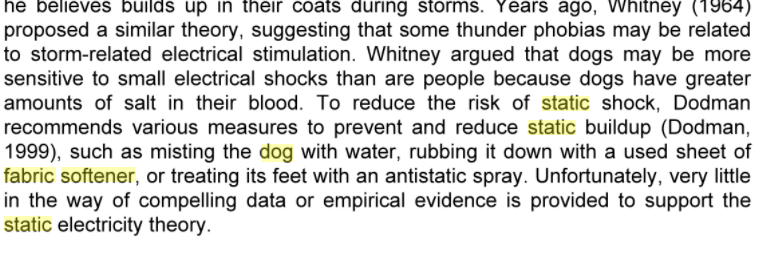
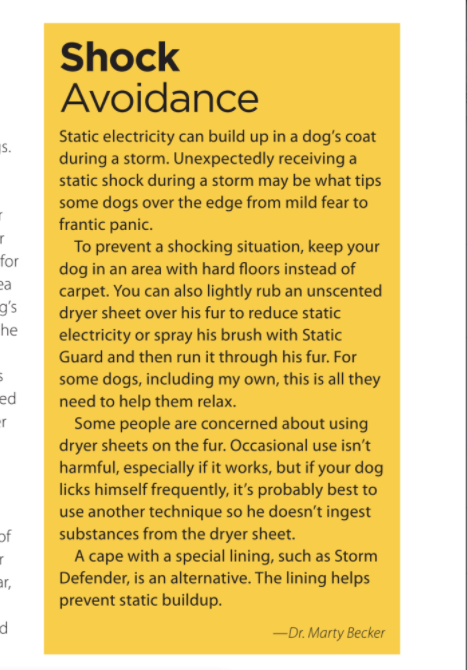
 Tnx for the comments, and sorry for the lack of clarity in some of my post. You're very welcome. No worries! I just wanted to make sure I understood well. *We were not with her during her trip here. However we were the first ones she met when she left the transport van. We're wondering if she has somehow associated us with being yanked away from her beloved foster and all her siblings. It *can* be possible that she has associated both of you with the trip. Dogs have an uncanny ability to associate events with one another, so if she endured a long, traumatic trip and then you were the first people she sees, you can become part of that anxiety-inducing stimulus package, sort of like dogs who associate the doorbell with strangers approaching the home, although there may be other factors at play. I already mentioned, trigger stacking which is the phenomenon where, one trigger, then another, and then another can have an additive effect leading to all the triggers stacking up like in the the game of Tetris and causing the dog to feel flooded with fear. So she could have been stressed by the trip, then being around two new people, different routines, sounds, sights, smells of an unfamiliar place. *She is as fearful of me as she is of my husband. However, I'm the one who takes her out for her beloved walks. She'll come when I say "Walk time!" but she will cower and shake like a leaf when I put her lead on, and the same when we return. Then she runs under the recliner till the next walk, or until morning. *My biggest concern is that she is clearly unafraid of other males and females when we go out for the walks. They can wear a hat, gloves, and even use a walking stick, but if she is friends, she will run to them, tail wagging, and let them pet her or give her treats. None of which she'll let me do. I've tried approaching her when she is outside, surrounded by her doggie and people friends, but she still won't let me approach and pet. It sounds like she may be stressed by your standing next to her to put on the leash since you mentioned as well that she's also afraid of you approaching her on walks. I understand how upsetting this must feel, especially since she is acting so social towards others! This is quite unusual, because usually the opposite is true, the dog is fearful of strangers and OK with their owners. However, all dogs are different and there many stories of dogs acting fearful of the oddest things. *She is not afraid of sounds outside. We have a neighbor on adjoining property who is always shooting guns. While she looks up when he fires what sounds like a small cannon, she looks up, but doesn't display any fear. If we go into a neighbor's house, she runs to her, lets her feed her pieces of a treat, and will let her pet her and even slightly rough house with her. If I try to feed her a piece of the same treat, handed to me by my neighbor, she moves away from me and won't take the treat. My neighbor can be sitting or standing. She can drop something, and again our pup looks up, but doesn't look afraid. Who knows what may be going on her mind! It would be interesting knowing their thought process. I knew one dog who was scared of people with blue eyes. Until dogs can talk though we can only make assumptions. It can be something in your home that she associates both of you with or the trip had a cumulative effect on her. Things to think about: -Maybe you or your husband wear a type of perfume or cologne that reminds her of something scary that happened to her in the past or that she finds aversive? -Has there been any yelling or anger in her presence? Any items falling from your hands to produce a loud sound? -Are any of your appliances working abnormally or making an abnormal sound? -Do you have any of those ultrasonic noise machines used to ward off pests from the lawn or garden? -Any carpets that trigger static? We have a dear member here dealing with this issue and you can read the thread about how easily something as little as a static shock emitted from a carpet can cause a dog to associate a certain food with it and read the story of how my cat learned to associate the carpet's shock with us to the point of even attacking us aggressively! * In summary, it doesn't seem like a generalized anxiety. She isn't scared of other males or females, isn't afraid of being inside other people's home. But she is terrified of us. She has her safe space, under the recliner. But it breaks my heart to have her spend her entire day there, for the last 2.5 months. I don't think it's healthy for her. Here's the thing: hiding is highly reinforcing to dogs. When they hide, they learn that they are safe and they stick to that plan if they have a deeply ingrained reason to feel that the environment outside of that hiding spot is unsafe for some reason. They must learn through tiny steps and positive associations that nothing bad is going to happen to them if they come out, but this needs to happen on their terms. Even something as innocent as our arm reaching towards them can be perceived as aversive and scary to a dog and reason to hide away. You can read more about the fear-inducing process here: https://www.braintraining4dogs.com/members/archive/exposure-therapy/ Now, 2.5 months is a lot of time hiding, although I have heard stories of cats and dogs hiding in places for much longer. Yet, you are right to be concerned. She needs to potty, she needs to eat and drink when she feels like it, not when it's night and feels safer. There are several things that can be tried, but we really need to tread with extra caution because, if we aren't careful, even a tiny mistake on our side may further convince her that hiding is indeed needed and she may even get to a point of no longer even coming to you when it's time for a walk. As she will not willing come to us, is it ok to try some of the techniques by forcibly picking her up (after a walk, say) and try the targeting etc? We have done that in the past, trying to associate being with us with good treats, but she will leave the second we remove our arm which constrains her. With these dogs, putting too much pressure on them can cause them to want to retreat. With them being in such a panicky state (over threshold) there is usually little space for learning obedience cues like targeting. These dogs tend to do better when there is no expectation for them to interact with us. They should try to interact at their own pace. There are some things that can be tried, but I really would prefer if you could work directly with a dog behavior professional using force-free methods, because as mentioned, even a tiny mistake can lead to big setbacks. A professional can carefully gauge her body language to ensure she remains under threshold. Not to mention, these dogs with such deep-set fears often benefit from over-the-counter calming supplements/prescription medications along with behavior modification so to attain a starting point. It would be a good idea to have your vet check her our to ensure there's nothing going on medically and they can evaluate whether it may be worthy of trying some medication that may decrease her fear/anxiety and help her better adjust to the home and her new family. Here are some exercises, but once again, consider the very fine line between helping her progress and risks of flooding her. Flooding takes place when we expose dogs to too intense situations that cause significant setbacks. For a dog like her, any type of interaction may be perceived as flooding, so we need to be very careful-hence the importance of working with a professional/potentially using meds. -Keep a treat pouch on you at all times. Every time you walk past the recliner at a distance where she doesn't feel threatened, toss something super tasty her way and leave. We want her to associate you walking by with something wonderful. You may have to repeat this many, many times. Try different varieties of high-value foods and watch her response to them. -If you notice she ever comes out to eat, remind yourself of the treat/food used and keep distance. Once she goes back to her hiding spot, repeat using that treat. You don't need to use large treats, being a small dog, split a regular treat into several small parts. -If she starts coming out more and more, from a distance where she doesn't seem over threshold, keep tossing treats her way, but aim past her so that she retreats from you rather than having her coming closer to you. Basically toss the treats in a "treat-retreat" fashion that doesn't put pressure on her: https://www.braintraining4dogs.com/members/archive/treat-retreat-game/ Please note: If she doesn't do well with you tossing treats, jut drop them instead and leave. -Take advantage of walks (if she's more receptive outdoors) and occasionally as she's walking nearby you, try making a low volume smacking sound and drop some treats. Then, start bringing the treat/food at eye level before dropping it and see if she makes eye contact. If she does, praise (low volume) and drop the treat. If she avoids making eye contact, she's likely not ready for that, just keep dropping treats every now and then. (Here's a guide on the smacking sound: https://www.braintraining4dogs.com/the-airplane-game/the-smacking-sound/) -Being part terrier, these dogs often are crazy about chasing things. Play can be a great bonding activity, but dogs who are nervous won't typically play, however, it may be worthy of trying dragging a flirt pole (dog toy that looks like a fishing pole with a toy at the end) and seeing whether that stimulates her prey drive. I have had some good results with some dogs by attaching a real rabbit skin to a rope. You can carry this on walks and see if she responds to it. -Scent can help too create positive associations. Before nighttime, try leaving a shirt with your scent and some tasty treats on top of them. We have reviewed some of the dealing with anxious dogs. She is so scared when I put the lead on she won't even take a treat from me then. Do you think we should try spraying DAP on us before holding her? I am not sure if you can spray some on your clothes, but if you are using a diffuser, it should get into the air. These are really tough cases, however, there is no reason that she will not eventually warm up to you and your husband. It may just take some time.
 -
Hi there! Is this the first time she was left alone? What type of crate are you using? How often do you head out? and for how long usually? Did you leave her with something to keep occupied with when in the crate? Was she walked/exercised/given mental stimulation prior to being crated? Were you able to work on "love the crate" exercises? If you just got her, this may take time. Do you have any family members/neighbors who can watch her when you are away? https://www.braintraining4dogs.com/members/video-archive/love-the-crate/ I am concerned that she may suffer from containment phobia (many puppy mill dogs last thing they want is to be crated) or separation anxiety. Both can cause dogs to panic and even harm themselves when left alone. She may have pushed on the crate with her nose to try to move the bars and escape.
-
dog biting and nipping Boarder collie
Adrienne Farricelli replied to HARMAN SIDHU's topic in Dog Training & Behavior
Hi and welcome to the forums, Oh my, what a cutie! Here is a guide of alternate activities to use for nippy puppies: https://www.braintraining4dogs.com/members/archive/bite-inhibition-games/ How to teach a softer mouth: https://www.braintraining4dogs.com/members/archive/train-dog-take-treats-gently/ On top of playing the above games that gives pups alternate ways to interact with us that doesn't involve biting, I am a big proponent of catching puppies *before* they bite so we can help them succeed. Here's the thing, once puppies are biting, they are having too much fun to pay attention to other things. Also, it becomes very habit-forming so we end up becoming their favorite playmates depending on us for physical play. While this is something to honor, we are just not adept to withstand sharp puppy teeth all day long. So we need to change the way they interact with us. This doesn't mean no more playing, it just means encouraging different types of interactions. So as soon as you notice your puppy approaching you with the intent to bite *before* she has a chance of latching on: - Try engaging her with toys that add movement into the game such as a tennis ball tossed in the opposite direction (make it extra fun!). I like to carry several tennis balls in my pocket (gotta love those cargo pants!) so I can use these tools at a moment's notice. -Try redirecting to a kibble toss game. I like to keep kibble always in my treat bag/pocket ready for this. As soon as she approaches you, ask her for a sit (if she doesn't know it yet, skip the sit for now) and toss a piece of kibble/treat. She'll likely eat it and come for more if she perceives them as valuable enough. Repeat several times, catching her always before she even has the chance to think of biting. This makes your pup tired, provides an outlet for chasing instincts while you incorporate some fun obedience. Here is how to train sit, which is an incompatible behavior compared with biting (a dog in general cannot sit and bite ankles/pant legs at the same time). It's very easy to train https://www.braintraining4dogs.com/members/brain-training/obedience-101/sit/ -Try redirecting to an empty water bottle with no lid/plastic circle. Most pups cannot resist the crinkling sounds produced by chewing on these. They make an economical. temporary chew toy. Always monitor your dog when chewing if your dog tends to ingest things and consider that excess chewing can make some parts sharp. To make the bottle even more interesting, fill it up with a portion of your puppy's daily ratio of kibble so your puppy will keep busy trying to roll the kibble out. You can read more about this fun game here: https://www.braintraining4dogs.com/members/brain-training/high-school/the-bottle-game/ Also, make sure to: -Provide outlets for pent-up energy. Brain games, training, and opportunities for socialization should wear a puppy out and provide outlets for their basic needs. With brain games that allow her to chase things and get rewards out of them (like kibble out of a bottle or a in a Kong Wobbler) she should seek these games more and more which can eventually turn our body parts pretty boring after a while because she gets more out of these activities when she's bored/frustrated/overstimulated. -Provide a variety of food puzzles (you can fill them with kibble ) and safe puppy chew toys. Rotate them to keep his interest alive. Here are some ideas: https://www.braintraining4dogs.com/adriennes-picks/top-5-dog-feeding-toys/ -Enroll her in puppy classes (once your vet says it's OK). Look for one run by positive reinforcement dog trainers who check puppy vaccination status and sanitize their properties to prevent spread of infectious diseases. Your puppy benefits from being around other people and play with other puppies in a structured, positive manner. -Keep an eye for her getting cranky as she may be tired. Puppies need a lot of sleep, and when they're tired they get more nippy and likely to misbehave. Give your puppy routine opportunities to sleep in a quiet place in his crate/exercise pen (if acclimatized to one) and offer something to chew while in there. Other important skills for puppies: https://www.braintraining4dogs.com/members/archive/socializing-your-puppy/ https://www.braintraining4dogs.com/members/archive/exercises-to-teach-puppies-to-tolerate-touch/ https://www.braintraining4dogs.com/members/archive/the-importance-of-preventing-resource-guarding-in-puppies/ https://www.braintraining4dogs.com/members/archive/exercises-to-prevent-separation-anxiety-in-puppies/ https://www.braintraining4dogs.com/members/video-archive/love-the-crate/ So to re-cap: The main goal in getting a puppy to stop nipping is to teach them that it's boring playing with them because there are far better forms of play out there that don't involve human body parts. So move less and make your toys move more. Wriggle them, toss them, provide toys that release food, play the kibble toss game. With their strong urge to bite and play satiated with other forms of play, soon, puppies should outgrow the habit of chasing ankles/pantlegs just as they outgrow the habit of chasing their tails. Also, help puppies learn to have an off switch, the jazz up and settle down can help with that: https://www.braintraining4dogs.com/members/brain-training/high-school/jazz-up-and-settle-down/ It also helps to use a flirt pole as a distraction from nipping your body. Once she's good at training, it comes extra helpful for impulse control and use it to train leave it, take, and drop on cue: https://www.braintraining4dogs.com/members/brain-training/obedience-101/take-leave-it/ https://www.braintraining4dogs.com/members/brain-training/obedience-101/drop-it/ You may have to try several of the above options and see what works best. Rotating them helps provide variety. Redirection to a rewarding treat-dispensing toy or game that uses treats should be moderately easy at this age if these activities are made rewarding. Teaching an alternate behavior (like sitting, hand targeting, or giving paw) is also important because dogs cannot misbehave if they are busy targeting our hands or sitting! It may take a bit of time though to teach these alternate behaviors fluently, but it is sure worth the time and effort. By providing outlets for her energy and needs for mental stimulation and reinforcing appropriate behaviors, you should eventually start seeing a decrease in the biting behavior. Keep track of it so to measure whether things are getting better with time. However, keep the teething stage in mind so make sure to offer lots of chew toys that are safe during this time. For obstinate cases, it may help to temporarily avoid temptations by refraining wearing clothing that attracts puppies a lot, such as shoes with shoe strings, leather shoes, pants with wide pant legs, long skirts and dangling scarves. Some puppy owners who are around their pups for most of the day like to wear tall boots (Wellies) or tuck their pants in their socks. Puppy nipping/biting doesn't stop overnight, it's a gradual progress, waxing and waning over time, but with feedback to reduce its intensity, management to prevent rehearsal of over threshold behaviors and encouraging engagement in alternate behaviors, with time, you should see a reduction in the intensity and frequency of the biting. At first, there should be small signs of progress, the biting initially reduces in pressure and intensity, and then gradually reduces in frequency. Most pups get better by the time they are 5 months, although some may take a bit longer. I hope this helps, let me know if you have any more other questions! Happy training! Best, Adrienne -
Tnx for the suggestions for additional info. *She was transported by the Texas animal foundation. 3 days, in a small crate. Because she was an escape artist, they didn't let her potty outside, but only inside warehouses and other stops. However, she must not have had many accidents because she smelled pretty good on arrival. OK so you weren't in the car with her? I am a bit confused because in your earlier post you stated : "We suspect she is traumatized due to the long and miserable trip from a long distance, and associates us with that. " If you weren't there with her during the trip, I doubt she associates you with that, although if she was highly stressed from the trip, trigger stacking can cause her to be more susceptible to reacting to other things going on in your home. *She is 13 months old. She was born at a home that let their dogs wander the neighborhood, and were finally convinced to give up the puppies to the foundation. She is spayed. She is street wise. She had only a few accidents inside, mostly as we were trying to adapt to each other's schedule. She walks well on a leash, and responds to simple training, like "no pull" when she starts to pull a little too much. She'll stop, look at me, then continue forward. Very smart. She's 15 lbs, and cute as a button. She is the smallest dog we've ever had. *She likes males and females equally. She even likes our neighbor who uses a walking stick and wears a hat. He has an older shih-tzu, but our pup still wants to play with her. He can reach down and she'll smell him and let him touch her. She may like women slightly more than men, but only slightly. We have had strangers in the house, and she will stay hidden, but none of them was attached to a dog. On our walks, she does not react to hats (except maybe mine), and I have seen a guy pet her with and without gloves. I stopped wearing any once the snows left, although it is still darn cold some mornings. *We have had several dogs in the house over the years. We lost our last dog, also a rescue, during the first year aof the pandemic. I've asked a friend to let me borrow her dog for a few nights, but we haven't yet done that. I pet all the neighborhood dogs, hoping that our pup will see that I'm acceptable to other dogs. *We are currently trying a DAP diffuser and DAP spray. Hard to do as her favorite place under the chair probably means she doesn't get much of the diffuser, and it's hard to spray under the chair. We also spray her bed (in the corner by the chair), but she only comes out at night. That's when she eats and drinks. I think she may be sleeping some in the bed when we're asleep. She sounds adorable, and has many appealing personality traits, it sounds like she's slowly coming out of her shell. It can be very rewarding watching them flourish. Note that I (Liza) am the only one who really knows we have a dog. My husband (Jim) sees this little dog go flying by to hide. It sounds like she does very well with many people and dogs. If she's OK around you, it may be she's scared of your husband. Since she seems to come out at night, it maybe because it's "all clear" and nobody is around. It would be interesting knowing how she reacts to you and your husband *outside* of the home. If she does well outdoors, there maybe something in the home causing her to act fearful or she may still be fearful of your husband in confined spaces or maybe his movements sounds louder because of the floor or maybe his voice echoes? Things to wonder about. It can be anything in the home too. If she was left outside to roam the neighborhood, she may be fearful of just about anything. I once dealt with a dog scared of walking by a portion of the room and only once I put myself on my four legs and walked like a dog I figured there was air flowing from the bottom of a fridge. It could be that she feels trapped or unsafe. Maybe noises of things like the dishwasher or warm air from a heater etc. She will need to establish you as a secure base to trust. Here is a general guide on helping new rescued fearful dogs: https://www.braintraining4dogs.com/members/archive/helping-fearful-rescue-dog/ If she's fearful of your husband then that will require a different approach, but always using desensitization and counterconditioning, here is an example: https://www.braintraining4dogs.com/members/archive/dog-barking-someone-enters-room/ I would hold off car rides for now, since she has so much other things to worry about, however, once she's ready, here are some tips: https://www.braintraining4dogs.com/members/archive/fear-getting-car/ Of course, feel free to post here for further tips/troubleshooting. Best, Adrienne
-
You're very welcome, keep us posted on how things go! Best, Adrienne
-
Hi Liza, welcome to the forums! -Thank you Jennifer for asking so many great questions! Please see some of my observations in non-bold. We got a rescue dog from Texas at the end of January (we live in Washington state.) She is a small terrier/chihuahua mix. She opened a window and escaped after the 2nd day and was gone for 4 days. She was recaptured when our neighbor was walking her little dog, and our dog just followed her and her dog into her house. 10 days later she escaped again, was gone for 2 nights, and was caught by the same neighbor. She is a sweet dog, and loves her walks. She has found her safe space underneath the rocker recliner. She will come out from under when we tell her it's walk time. She will run to front door, and then cower and shake as I put a leash on. She walks beautifully on a leash. When we finish the walk, she comes home, comes in, then cowers and shakes till I remove the leash, and will then make a mad dash for under the recliner till the next walk. She is so scared I can't even get her to take a treat from me during the time I put on her leash, even her favorite bologna treat. We have tried to put her on the couch after her walks, to pet her and hand feed her some bologna. She will eat (finally) but won't even stay till her bologna is gone, but will bolt the second she can wriggle free and hide. Poor baby, thank you so much for rescuing! The fact she won't take a treat during the leash attaching time is a sign that she is over threshold. https://www.braintraining4dogs.com/members/archive/threshold-levels/ Maybe she was never taught to walk on a leash, or just sparingly, and finds it frightening, but since she loves walks so much, it sounds like she volunteers for it, but at the same time is scared. Conflicting emotions are likely at play. But then again we don't know what part of the leash she's really scared of. Maybe more than the the sensation of the leash (since she walks on leash so nicely), she is scared of the sound of having it snapped on or there can be other issues such as us feeling nervous about us looming over her as we snap it on. Or maybe she's not trusting enough of us or being confined in a house. It would help to carefully assess what exactly may be that causes her to shake, but we may never know exactly because dogs chain events with one another so this can blur a bit things. For instance, we may do a trial where we loom over her slightly to see if the looming is what evokes shaking, but it could be that she's shaking in anticipation of us attaching the leash since we do so predictable after looming, so that compounds things. When in doubt, it may help to work on this broadly-so to say, so to cover all basis creating positive associations with several parts of the chain (us walking towards them, looming, snapping the leash). So by the door, since she doesn't take food, you can use going out the door as the functional reward since she loves to go on walks. So right after you snap the leash on, praise and immediately open the door as you happy talk your way out (if she responds well to your voice). On the way back, that's when we can start working a bit more on creating positive associations with the unsnapping the leash behavior. Since, on the couch she has taken treats let's take advantage of that. So once you come back from the walk, try having her follow you on leash to the couch, and once there, unsnap the leash with one hand, praise (if she does well with that, some dogs are intimidated by that), while with the other hand you drop some tasty bologna cut in several small pieces as a jackpot. You can keep a little place mat there if you don't want stains. Then let her free to hide or whatever she wants to do. Choice is important for these dogs. They need to feel free to decide when to move away and hide, if we block them, they may feel more anxious. The goal is to every day repeat this routine so to get her to enjoy being on the couch more and more, up to where she'll do so voluntarily. When we reach this point, we can then see if we can get her to move on the couch often where we can practice more leash snapping during the day so we can make it a fun exercise and then practice doing this even before the walk. The advantage of using the couch for small dogs is that we won't be looming over them as much as when we are standing. It gives us a starting point. If we don't want to use the couch indefinitely, we can then gradually fade its use once you have obtained a happy response to the leash snapping, and practice next to couch, maybe split the looming initially, like loom half way and drop treats, then loom a little more drop treats, then loom and do the same exercise of snapping and dropping bologna (place it on the same place mat used on the couch, but now on the floor so to help her generalize). Then, you can gradually move the exercise more and more towards the door. If at any time she appears uncomfortable though, take that as a sign that you have progressed too fast and need to take a few steps back into the process. Many dog owners though just stick to snapping/unsnapping the leash on the couch though because it's easier for us (and our backs!) and more comfortable for the smaller dogs. The goal for fearful dogs is to work on small steps using desensitization and counterconditioning and obtaining what's known as a positive conditioned emotional response. Let's split this down: Desensitization means working in baby-steps, presenting stimuli or situations that are frightening to our dog in less intense forms. You can read more about this here: https://www.braintraining4dogs.com/members/archive/desensitization/ Counterconditioning means creating positive associations with something that the dog finds intimidating. It needs to go hand in hand with desensitization: https://www.braintraining4dogs.com/members/archive/counterconditioning/ A positive conditioned emotional response is where the dog shows signs of being extra happy due to the all the positive associations: https://www.braintraining4dogs.com/members/archive/conditioned-emotional-response-cer/ What is odd is that she is completely different around strangers, especially strangers with dogs. She will literally leap for joy when she sees another dog, big or little, friendly or not so friendly. And she loves the people attached to them. She will let them pet her, will react with pleasure when she sees them on another walk, even if they don't have their dog with them. She plays with dogs and even our neighbor's cat. (Interestingly, she doesn't seem to like our feral cat, who is also trying to be friendly and play). Other neighbors can give her any treat they have, and she will eagerly take it. I have had dogs act in similar ways. In particular, an eskimo mix who when dropped off for boarding and training would bark at me every time I moved. All I needed to do is bring other dogs in the room and pet them and within seconds she would approach to be pet too and her barking would totally subside. The change was remarkable to witness, from tense body language to loose and wiggly. I did see a couple of seconds of tension again, but they quickly reverted to friendly after watching the other dogs happily interact with me. These are socially facilitated behaviors, that you can take advantage of. Now, with socially facilitated behaviors, they can go both ways. Dogs can quickly become fearful if they sense fear from other dogs so if you want to take advantage of this, pick only confident, happy dogs who love to be around people. If you have somebody with a jolly, happy dog who she gets along with (careful since she's so petite!), it can help them a lot. It breaks my heart to see the dog be so happy and joyful with others, but so fearful of us. We suspect she is traumatized due to the long and miserable trip from a long distance, and associates us with that. After she started running away, we were told to crate her. She was so miserable and anxious, destroying parts of the kennel, that we decided to let her find her own safe space. She found the chair, and no longer tries to escape when we leave the house (though we close doors to bath and bedroom, to be safe). She has started to come out at night to play in her bed with some toys. She will also come eat. (We tried just leaving food and water out at night, but she wouldn't come out to eat. She will not come out all day to eat or drink, preferring to drink from puddles outside. on walks) She had many siblings to play with, and her foster also had a small dog to keep her company. We are retired, and so home virtually all the time. Were hoping to take her with us most places, but she is terrified of any car ride. There may be something more going on, but time will tell what it is. It could be she is scared of something in your home, like a sound. Jennifer asked you a great question, whether she is scared of your husband. Many dogs struggle with men, their deeper voices and how they move. I am going to read more in detail your answers and then delve deeper on them shortly.
-
OH - one more question: At night, when we go to bed (we have her sleep in a dog bed, which she is good about doing. We close the door to the bedroom so the cats can roam around the rest of the house and we stuck a gate at the door so no cat paws can pop out from under the door). If she doesn't see the cats before we take her in the room, she can calm down in about 15-20 minutes and fall asleep on either the floor or the dog bed. However, if she needs to go to the bathroom in the middle of the night, we have to completely calm her down again before we can go back to bed (after we take her out). As long as the cats don't come crying for attention at the same time, we can redirect her to play with her toys calmly. If that doesn't work, we just rub her belly or ears until she relaxes enough that we can get into bed. If we don't, she will chew on her bed, cry until it escalates into a tantrum, or paw at the door at the cats. Is this reinforcing anything bad or is that alright? I suppose this is where a crate would be helpful, but even if we get a crate, she will have to learn to use it and I don't know what to do, especially if it is 3 AM and I just want to go back to bed. I hear you, this is a common problem. I have encountered this issue personally several times, not with the cats, but littermates or foster pups that after being taken out together, or seeing my other dogs, they got excited and wanted to interact with them. It helped to make the potty trip as calm and matter-of-fact as possible, ideally on leash so that the pup doesn't start playing around, and then back to bed. If petting her gets her to relax, to the point of getting her to sleep, I don't see any imminent harm in doing that. She's still very young, however, we want her to also learn to self-soothe. So it would be ideal if this would be a temporary measure with the goal of weaning her off once she sleeps for longer stretches of time and no longer wakes up at night for potty breaks. We can further expedite things by letting the puppy go to sleep later and get up early so less need for middle-of-the-night trips. Usually, this is an issue for about a couple of weeks.
-
Esther Shares, Gertie Does Not
Adrienne Farricelli replied to JMFS's topic in Dog Training & Behavior
Sounds like everything is proceeding nicely. Lack of time is one of the biggest challenges when it comes to training, especially when dogs go through the troubling adolescent stage. Yes, we can scatter training sessions in small segments here and there during the day, but some dogs are a work in progress and need more guidance. It can feel like a full-time job, your life revolving around them, and that can turn into a problem. So funny that you met my look-a-like at the eye doctor! I think we all must have some "twins" scattered around the globe. -
OK, so in this case, rather than adding a verbal cue like the word "target" we would use a hand gesture, like maybe pointing at the sticky note when you have it on your hand, and mark the nose touch with a the light and treat. We don't add verbal cues or visual prompts (like pointing) until a behavior starts happening rather predictably. So if he's reliably nose targeting when you have the post -it on your hand, right as you see him advance to nose target, point at your hand so that he associates the pointing with the action of targeting the sticky note. Then we can move the sticky note to the wall and point at that, but dogs struggle a bit with generalizing so, prior to that, we can further add an intermediate step to facilitate the training, such as holding our hand with the sticky note in front of the wall, point and have him target that, then place the back of your hand against the wall, point and have him target that, and then place the sticky note on the wall with you nearby, point and see if he targets it. Otherwise, we can try using shaping. We place the sticky note on the floor or on the wall and we "flick" and treat successive approximations, with the final goal being him nose/paw targeting it. For instance, we may initially flick/treat for looking at it, then flick/treat for him walking towards it, then flick/treat for him sniffing it, then flick/treat for him nose targeting it or pawing at it. When he accomplishes this, he gets a jackpot of treats. Then, once he targets it reliably, you can start pointing at it and have the behavior on cue. Here is a video that shows the process of shaping. Imagine the same process only that rather than stepping on the light he's pawing at a sticky note on the floor. Rather than clicking though you'll be flicking and rather than saying "turn on the light" you'll be pointing. https://www.braintraining4dogs.com/members/video-archive/train-your-dog-to-turn-on-a-light/
-
Yes I have them also I ordered a bulk package and just received them. That's awesome! The Flicker isn't very popular, but I am glad to see people are becoming more aware of them. I think they are too underrated! but on the part I’m having troubles with are like targeting… so when I give the hand signal for target he keeps coming to touch my hand and so we are stuck on that and I tried to use a post it but he’s not getting the connection and I’m stuck on how to communicate that to him I am sorry, but I may not be understanding too well what you are trying to do exactly. If you are giving a hand signal for target and your dog comes to touch your hand, he is performing the exercise correctly. Are you trying to get him to target other objects like a sticky note on a wall? Thanks for the extra details as we try to troubleshoot.
-
Hi Adrienne! Yes, we have been taking her on car rides. We took her to my parent's house for a play date with their dog but he is very old and was not interested - he just went to sleep and she got bored with him. Yesterday we arranged a play date with an older but not as old Labrador. He played with her a little bit but mostly they just chilled together and I am delighted because I'd rather her learn from a mature dog than another wild puppy. We're reaching out to anyone we can to schedule other play dates but it's been hard to coordinate our schedules. We're trying! I only found one puppy school that allows unvaccinated puppies and they were booked for 6 months so we're stuck with finding play dates and trying to get creative on our own. Thanks for letting me know to have her walk on other types of surfaces. We've had a few people come by our house for other reasons and she was great with them. She is submission peeing though and I saw you had a page on that so I'll read up on that. We're really worried about missing the window for socialization because we want to be able to take her everywhere with us and have her be fearless. I'll see if I can have people come by with costumes too. That's great, the socialization period is so important! Most puppy classes should accept puppies as long as they appear healthy and have received at least one shot. There should be an emphasis on promptly removing any waste and properly sanitizing the quarters where the classes are held so to help prevent any spread of infectious diseases. Now there are puppy classes and puppy classes. The main goal shouldn't be focusing only on obedience. Precision obedience can always come later, it's with socialization that the time is ticking! The best classes are run by dog trainers who put an emphasis on socializing and getting pups used to things and situations they'll encounter in life, things like getting the pup used to being handled, social skills, play with other pups to help refine their bite inhibition, although the play must be moderated always ensuring the pups are having a good time (not being bullied or becoming too overstimulated). Play needs breaks every now and then, especially if the pups aren't engaging in natural pauses. With adult dogs, we need to be careful and a bit picky as not all have the patience to deal with puppies. Some can be great teachers, telling the pups in a firm, non-confrontational way when the pup has become too pushy, but others may be too harsh or even aggressive. Loose. relaxed body languages is good, stiff and tense is not. It cannot be emphasized enough the importance of this stage. It's important to create positive associations as much as possible, always monitoring the pup's reactions and ensuring a positive experience. You can read more about this stage from AVSAB's socialization position statement: https://avsab.org/wp-content/uploads/2018/03/Puppy_Socialization_Position_Statement_Download_-_10-3-14.pdf When we get her to the vet on Monday, I will ask her to check this. She chases crickets and flying bugs outside and she wants to chase the cats. She obsesses like a herding dog. I've tried throwing all kinds of things at her and she won't catch them though. It's so weird as our last dog did not need to be taught how to play. OK, now that sound more like a healthy pup with normal prey drive! Does she chase a ball, but won't catch it meaning that she won't carry it or bring it back to you? There have been studies showing how retrieving often is more challenging to train if pups weren't introduced to the game early on. I find it a bit odd if she chases bugs and wants to chase the cats but won't chase after a ball. That is so interesting! She sometimes does a single screech when she wants our attention. It seems like each day we make good strides with some things and then something new comes up. Yesterday we had some great sessions where the cats sat on one side of the gate (in the hallway) and she sat in the living room and we got her to "leave it" and "look at me". This lasted about 10 minutes and then I didn't want to burn her out. That is great that you were able to get her attention for that long despite those strong distractions. Great observation in being concerned about carrying out the training for too long! Brief sessions work best with these pups who have shorter attention spans. We also did that this morning for about 5 minutes, twice. The cats are dying to play with her and we have to give them treats and pet them to stop them from jumping the fence to get to her because then she chases them and they get scared. It feels like we're making baby steps with that but then I noticed that she is barking more outside which she never did before and now she is chewing everything in the house like the curtains, furniture, rugs, etc. We've moved a lot of the throw rugs out of reach, our shoes and things like that - but I don't want to take down the curtains and I used anti-chew spray on the furniture but she doesn't seem to care. It sounds like she is overcoming a possible "honeymoon period" and is now showing more normal puppy-like behaviors. If she is super mouthy, you can try putting mouthing things on cue by training "take" https://www.braintraining4dogs.com/members/brain-training/obedience-101/take-leave-it/ as you move around a tug toy and teaching to engage in a lively and exciting game of tug. This gives an outlet for the need to mouth/tug. Once you get a reliable response, you can build on this and use it as an interrupter cue saying "leave it" ideally the moment you notice she's going for the curtains (rather than later once she's actively tugging on them) and redirect to the tug toy. Make sure to train a good "drop it" as well. https://www.braintraining4dogs.com/members/brain-training/obedience-101/drop-it/ This provides the advantage of providing an outlet while also engaging the puppy with you. Initially use a longer tug toy so that her teeth aren't too close to your hands. As she gains better bite inhibition,https://www.braintraining4dogs.com/members/archive/bite-inhibition-games/ you can then use a shorter one. With the tug toy, you don’t just give the toy though - you use it to actively engage in play with her. You can keep the tug toy readily available so that she can be easily redirected at a moment's notice. Alternatively, flirt poles work with this as well. Redirect to the flirt pole and teach her to leave, drop, or and then wait for a ’take it!’ cue to restart the game. However, flirt poles are bulkier and a little more challenging to carry around compared to a tug toy. These methods typically works fairly quickly and if it doesn't, the persist tugging and chewing can be an indicator to increase this pup's mental enrichment to meet their needs for 'mental work' which is often a great need for terriers and herding breeds. A Warning For smarty Pants Dogs: To prevent a possible behavior chain (dog who get a kick out of entertaining themselves by grabbing/tugging on things to get a response, adding in some 'work' when they do that can help. For instance, the moment you notice she's heading for the curtains, you can say "leave it" and then ask for a sit and eye contact, and then reward with a game of tug. Another option is to simply redirect once again *before* your pup is actually tugging at the curtains/ chewing the prohibited item. And another option is to add some time, like ask her to drop it, then ask her for eye contact for 5 to 10 seconds, and then reward her with a food treat when she is looking at you. This pattern will encourage her to look to you for instructions, while not encouraging her to mouth/steal objects to get attention. These methods work well for when we can actively supervise and have time to train, when this is not possible, antecedent arrangement (that is, management) is your best friend. Keep all items out of reach as much as you can. This extra environmental support (with poor chew choices out of reach and good chew choices present) along with your praise when she makes good choices is key. And if despite out management she still manages to grab something she's not supposed to have, redirect but then remove the object so it's no longer tempting her. Now with the curtains, I understand it would be a pain to remove them. And yes, some dogs care less about taste deterrents. However at some young puppy stages, it may not be worth the mental effort to try to teach to leave tempting things alone (as they developmentally don't get it yet) and most pups grow out of it anyway eventually, so maybe you can find a midway solution such as either: 1) keeping her in a play pen with desirable toys when you can't supervise her, or 2) maybe use a play pen to surround the curtains so access to them is automatically denied. This is also helpful for safety considering that the curtain pulls can cause strangulation. We had success keeping her busy with the kong for two days but then she got bored with the kibble/peanut butter plug (puppy pb not human) and so I put wet food inside with it and then she went and buried it in the back yard and we can't find it. When we give her high value treats like bully sticks or pig ears she wants to bury them instead of eat them, or she gets really wired and hyper. It feels like any solution is not long-lasting. Often, when they get bored, it's because it's too difficult of a puzzle for them. Maybe try with a Kong Wobbler with kibble in it? The food will be released more easily and it's a fun game too! For the burying, if you prevent her from going to the backyard, will she eventually settle and eat the Kong/chews? Without access to the yard, she may not feel compelled to bury them outside. Make sure she has a quiet place where she doesn't feel threatened/bothered by curious cats. Some dogs bury their goodies to eat them later away from other nosy pets. Now things are much easier with her HOWEVER, I'm worried that I am reinforcing it. She is extremely well behaved when we give her our whole attention. But if we do other things, she starts chewing the furniture, the two rugs we have down (all the rest we put away until she's older), and this morning she even started chewing on my arm. This can be attention-seeking behavior, but there also may likely be other dynamics may be at play. For instance, if we get upset/frustrated with our pups when they chew things etc. they may learn that when we are watching they must restrain themselves. However, the moment we look away or go into another room, they may perceive that as the green light to go and chew things. This because they associate our supervision/presence with being corrected and our lack of that as an "all clear." So the options when we cannot supervise are 1) keep her in a confined area with only legit-safe chew items 2) strip a designated room/area to the bare basics so that she can only make good choices (even with this though pups may still find unimaginable things to chew on). I have given her every type of toy possible and we froze an old dish towel and had her chew that in case it's related to teething. They help her but not when she wants attention. If I sit near her on the floor, she is an angel. I don't have to pay full attention to her but just sit nearby. But obviously, I don't want her to depend on me not to mention that obviously I cannot do this all the time. I have a full time job and while I am home a lot - I do have a lot of other stuff in my life that have gone to the back burner since we got her. I've been rewarding her with petting and verbal praise when she chews on her toys by herself (without me sitting nearby) but that is never for long. When she starts chewing on everything in sight, shouldn't we be correcting her so she stops doing it? How do I find the balance between not letting her be a wild dog who destroys the house and reinforcing her attention seeking? When she cries, I look out of the corner of my eye to make sure it's not a physical injury and ignoring it. The little whimpers are reducing and we have not had a tantrum since Tuesday evening. I feel like she knows we don't want her jumping on the furniture or chewing it - if we ignore it for a few days, will she stop dong it for attention or will she think she is allowed to? I don't want to confuse her about "the rules" either. I have been trying to stimulate her with training (and we tried to teach her to "find it" but that didn't go well at all). So when she's acting calm, I'll sit with her and train her and pet her. I will stay on the floor while she chews alone and then go back to my desk. She'll chew on her many toys for a while and then about 10 minutes later, she gets bored and wants attention. Without fetch or going on walks, I don't know what to do without overwhelming her with more training. We go outside to the backyard and she runs around there but never enough to do anything. I feel like my whole day is stopping her from chewing on things she should not. I suspect she does get anxious but I cannot figure out what triggers it yet. She definitely has no frustration tolerance - when she wants to see the cats, she obsesses. Like I said, leave it and look at me is definitely helping and I think she's going to desensitize at some point but it's hard to tell what is frustration vs anxiety. The car gives her anxiety but we're trying to push through it with some car rides. When she cries, we ignore it and then when she stops, my fiancé pets her and rewards her. However, the last car ride resulted in almost nonstop screeches that made my spine literally jump. We'll try ear plugs for the next drive and maybe shorten the rides. I did just order some calming chew supplements and we'll see if that helps. I definitely want to get this tamped down and resolved ASAP before she gets any habits! We do keep the cats in the other half of the house almost all the time. At night, we let them roam and she goes in the bedroom with us. But we have not crated her - we don't have space for a crate. Yesterday I got her back up to 15 hours of sleep in the 24 hours but I can't seem to get her to sleep beyond that. Do you think it is important we crate train her? I realize everyone says it's great and helpful but I read about Aussies that they can't handle a crate for long because of their energy. I'm open to figuring out how to make it work if it will be life-changing but we would have to rearrange our furniture to keep a large crate and I would rather not. We did try the puppy music youtube station yesterday and I think that helped her sleep longer! At 3 months, it's too early to attain impulse control and frustration tolerance at a level that we may desire. This takes time just as it happens with children. Think toddlers during their terrible twos and threes. We can establish though some good habits from an early age: https://www.braintraining4dogs.com/members/archive/impulse-control-frustration-tolerance/ Puppies need lots of contact when they are exposed to a new environment. Crying and whining is often stress/ anxiety/ behavior so it's important recognizing a cry that is: "yikes, please get me out of hear! or 'I am scared of sleeping because you may disappear, I am too scared to be alone!" from "I want more attention get me out of here/give me something to do". Some ways to discern these are the type of vocalizations emitted and the accompanying body language. Here are some signs of stress in dogs: https://www.braintraining4dogs.com/members/archive/signs-fear-stress-dogs/ Vocalization due to stress requires a different intervention than vocalizations due to a pup looking for attention. With anxiety of being alone, one needs to gradually transition to building independence, different sleeping arrangements in a planned structured way. If the pup shows signs of being stressed then you need to slow down the transition plan, ensuring each stage is positive, done well and at the pups pace. A common mistake is progressing too quickly and expecting too much of young pups. It sounds like though based on the behaviors you mention, chewing, tugging on stuff etc. she's just acting like a normal puppy who is exploring the world with her mouth. This is rather normal, and can be tackled through redirection and antecedent arrangement as discussed before. You mention you are not using a crate at this time, if so, where is she sleeping? I personally feel crates can help on many levels, but we need to introduce them very gradually starting with it open and making many great things happen in it. Oh and today I have been able to leave her alone for a few minutes at a time but only if she is calm. She sits or lays in the living room and stares at the door waiting for me. I praise her when I come back. I think the peekaboo game helped yesterday. But when she was hyper this morning, it was not going to happen. I gave her a peanut butter chew stick when I had to leave her alone for 2 minutes and she was fine with that. Seems leaving her alone is about timing. Thank you for all the help. I am so burned out. My fiance and I take turns watching her but since he works in the office (side of the house with the cats) and my work station is in the living room, most of the puppy time has been on me. After work, we can take turns but we're both exhausted and sick of it. We love her and know it will get better some day but anything we can do to make this happen faster will help our sanity. That's great that you are seeing signs of progress! Baby steps. When hyper it is more difficult because she's over threshold. https://www.braintraining4dogs.com/members/archive/threshold-levels/ In the mornings especially, puppies may struggle with us being away, because they have been separated from us already during sleep and they are super excited to see us. It helps to practice when they are in a calmer state. If your work is flexible, strategically coordinating your work with your pup's sleeping times may be helpful in giving you some respite. This is what I generally do when I come answer questions here and do other online work. I have my computer on and ready so I tiptoe there when the dogs I foster or train are ready to snooze. It may feel like our lives revolve around dogs initially, but then as they learn to relax/behave better around the house more and more, we see more and more stretches of quiet times.
-
Maybe even if it's just aging / maturing, I'll keep with treating randomly and the voluntary check in, just to reinforce my value, and coming to me. That sounds like a good plan! Also when calling him, try lowering criteria, maybe try calling him when he has been in the yard for some time and is getting a bit bored and maybe even a bit thirsty. I wouldn't call him in the house without checking what he's doing first. If he's actively sniffing consider that a good part of the brain is used for that, so it may be more difficult grabbing his attention right away. However, make sure to protect your recall, because calling too often with no response can lower its value considerably and can lead to learned irrelevance. You many need to go back to basics to power it up again, in areas with less distractions (avoid carpet areas though) and re-introduce valuable rewards (tossing the treat to prevent shock). I like to call dogs for their meals taking advantage of a dog's eagerness to eat, even if its offered in a food puzzle. However, I aim to get a response without showing food to not fall into the bribery trap. So treats are in pockets and meals are hidden behind my back (or I remain hidden in a hide-and-seek fashion), or even later, the food may be left on a tall shelf or counter so when the dog rushes to me, we both run towards this location, I ask for a sit and the food puzzle/bowl is placed on the floor. If Loki though is suspicious of certain foods because he has associated them with shock, be careful as that'll risk putting a dent in the recall too, so use something you're sure he loves and hasn't been "tainted' by any shock. While it's tempting to lower expectations once a dog appears to be better trained, relaxing a bit too much leads to setbacks that are then reflected in the level of a dog's responsiveness This is a time when more training can turn extra handy, to keep that teenager brain busy although you may notice times of regression. It is great that you have plans to up the training coming the next weeks. Something else to factor in, is that between the ages of 6 to 14 months, dogs go through another fear period: https://www.braintraining4dogs.com/members/archive/fear-periods-8-10-weeks-6-14-months/
-
Forgot to mention: if you want to do clicker training, you can replace the clicker with a flashlight or they now made a 'flicker" which is a clicker for deaf dogs.
-
Thank Adrienne for all of the information and Fredery for your encouragement. We are a work in progress for sure. We have been very diligent in doing 2 15 minute training walks per day for the past couple of weeks. For the most part I think we are making progress although some days are better than others. Progress is the keyword we want to hear, although yes, it may initially start like a little trickle and then a little more and more. Try to protect your work, by ending things when they look good rather than asking a little more and risking things to downfall. We have been managing to avoid the rabbits by going later in the morning and earlier in the evening. Our city and surrounding area are overrun with them so it is not easy to avoid them. Much of the time there is one who hangs out under our front step. We are working on relaxing more. That sounds wonderful! If there is a rabbit under your front step, may be worthy going out on your own first and making noise so that it takes cover and doesn't come back out until you're both out of the door and on your walk. On the way back though, you may need a family member to prep the area to be "rabbit free" so you can come back without issues. In the meanwhile, flirt pole work practicing leave its and drop its can turn handy! Being part terrier, she may even like to squeaky toys, have you ever tried bringing some along for the walk? It can be used as a distracter/reinforcer. We will continue to work on triggers. I have been using the smacking sound since I first found your site. It works well when she isn't too stimulated. I think this is the biggest hurdle you are facing, the underlying emotional response to triggers on walks causing her to be too over threshold. She may not be ready yet to face certain levels of distraction. We can split things further and may start indoors, in different rooms, then training by the door open, then in the yard, then go back inside practice in each room again. Keep moving in small increments stopping in a good note each time. Set up a simple check off chart to keep track of each success. When you reach 90 % success move to the next level with more distractions. More work in the yard and by the gate may be needed before progressing to the big stimulus package of the outdoor world: In the yard, you can also practice serpentines and spirals so she learns to pay attention to your movements: https://www.braintraining4dogs.com/members/brain-training/graduation/serpentines-and-spirals/ And some invisible leash walking (bonding exercise with no leash) can help too: In some difficult cases, a head halter can help create the setting for more reinforceable behaviors, but the head halter will need an adjustment period and not all dogs do well on it (although many do when given the time). I am thinking about consulting also with a trainer I can meet with with Maisie to get a better sense of what I may be doing right and wrong. I appreciate the information for sure, but I know it is also hard to get a sense sometimes just through trying to explain things in writing. I also find that I learn best by watching and doing. Anyway, I will check in again at some point. I am sure that can help, especially if there is some error on your side (dog training is more about teaching owners than the actual dog-in most cases), but from the feel of it, I think that since she walks well with you in the yard with you, the issue is she's overstimulated/anxious and too emotionally charged to apply what she has learned in a quiet area to an area with distractions. However, he/she should be able to guide you through in recognizing signs that she may be going over threshold and keep her below that and when to raise criteria. You can post a video of you walking her here as well if you would like some input/ideas. Please make sure to use a dog trainer who uses force-free training and behavior modification. Best, Adrienne
-
I have a little question btw, I'm posting it here, but I'm not sure at all this is related with the static shocks Lately, it seems that Loki is less eager to see, or my value has decreased or something I thought about the static because I noticed it almost around the same time, but - when I come down the stairs, he's no more rushing to me even when he hears me - on the morning, he's more interested by going outside than to greet me with a big party -when he's chilling in the yard, and I whistle from inside, he's not rushing anymore, sometimes even fully ignoring me Is it normal ? Like teenage dogs being less clingy with theirs parents as teenage humans are more rebellious with their parents ? Besides, from what I heard from the breed, it is very related to their humans, but also quite independant in their way. This is hard to say. I would say my dogs used to get some pretty significant shocks too with the carpet when we touched them, but that just startled them a second and they then seemed to care less afterward. Even my female who was very soft and hated the tiny pinch of a needle at the vet's office recovered quickly. They kept on seeing us as the providers of food, care and affection. With Loki's history of having received the fence shock and being afraid of the fence and its location for some time, and my cat's experience with shocks, I would say it's not impossible. I have seen dogs act scared of the owners after getting a shock from back pain and studies have found that when dogs were shocked with electric collars they came to associate their owners with the shocks and the area, but those are pretty strong shocks compared to a static shock, but it boils down to individual sensitivities and past experiences which can sometimes amplify things. Age can certainly be a factor but I find it a little odd how he would suddenly change out of the blue, it could be a combination of factors though. Or is it something that needs a but adjusting ? Maybe because of the static, maybe because my behavior while he was sick (while being sleep deprived, I was kinda less patient, and more prone to irritability, less likely to be playful and happy around), the bond / trust / relationship took a little hit ? If so, what can / should be done ? I tried treated randomly when I come around to associate my coming / presence with something good Yes, the treating can help if it's related to the shock and you want to create positive associations, as can rewarding voluntary check-in when he's out in the yard, but please do have him see the vet if this persists and he seems to act different just to make sure there's nothing going on physically.
-
Hi Caitlin, Welcome to the forums, please see my observation under your bold statements: I just purchased the brain training class and am new to the forum. We're still in preschool, obviously. I have a 3 month old Australian cattle dog/Labrador mix that we just adopted about 10 days ago. She was found on the side of the road with her sister and taken to the shelter. We're in puppy hell right now... but determined to get through this. We have a 7 mo. and 11 mo. kitten as well and I've been reading the forums and courses on what we can do with that. Thank you Adrienne for the wealth of information available! I'm so excited to start working with her on impulse control and teaching her to go to her mat, etc.! She's crazy smart. We were able to teach her in the first two days to sit at the door and wait for us to invite her inside and she learned "leave it" her second day with us as well. She learned sit after just 2-3 tries! It's so sad when people just dump these precious pups on the side of the road. I am glad though that this has a happy ending. Your Aussie/Lab mix is very fortunate to have found you! She is very smart to have mastered leave it and sit after 2-3 tries and that she was ready to apply that at the door waiting for you to invite her out! Kudos to you too! However, we are struggling with massive tantrums and I didn't see any posts about puppy tantrums. Now that she is comfortable with us, whenever she doesn't have our constant attention she will chew anything in sight and cry or bark - and if we ignore her, she throws a tantrum. I don't have an official post about tantrums in the course, the term can mean different things depending on who you speak, but there's a read on impulse control and frustration tolerance that covers tantrums: https://www.braintraining4dogs.com/members/archive/impulse-control-frustration-tolerance/ "Tantrums" have also been discussed on the forums several times, as you can see you are not alone! https://braintraining4dogs.com/forum/search/?q=tantrum&quick=1 However, there are tantrums and tantrums and their approach may vary based on the underlying cause. I realize I should not give her attention but what do we do about the tantrums while she learns? We can't exercise her until she is vaxxed and she doesn't know how to play with anything (our previous dogs liked to fetch and just always knew how). We just have her chew things and give her kongs stuffed with kibble At 3 months, your pup's window of socialization is about to close, but these pups should still be granted ongoing socialization in a safe manner. Puppy classes are a great way to allow this, although with the pandemic, these are now organized a tad bit differently. There are still though a bunch of other activities that can be added, such as car rides, just watching the world go by a window or from the porch (LAT is great game to start forming positive associations https://www.braintraining4dogs.com/members/brain-training/university/look-at-that/) and playing dress-up where family members can wear hats, sunglasses, take turns walking with a cane, an umbrella, wearing last year's Halloween costume etc. Also, don't forget to provide tactile sensation (walking on a variety of surfaces) It's interesting that you mention she doesn't know how to play. Have you tried tossing her kibble for her to catch? Or her chew toys? How about using a flirt pole? I would expect a pup of this age and breed to have some prey drive. Did she get a check-up from the vet just in case? But when we want to tend to the cats or go take a shower, or are in a meeting for work - she will start crying and then if we ignore her she quickly starts to bark and screech which literally send shocks up my spine. We also have a shared wall with a neighbor (we live in a duplex house so one shared wall touches all the rooms except the living room/kitchen). So ignoring her tantrums is hard to do as well because I feel bad for the neighbor. (He hasn't complained and we introduced him to her so he would know what the ruckus was but still, I want to be considerate of him). They happen once or twice a day and I struggle with my patience. I hear you! I am familiar with those ear-piercing screeches that make your spine chill. Actually, interestingly, there is a reason why we exhibit such a visceral reaction to certain ear-splitting sounds. Researchers have found that our response to the sounds of a crying baby or a human scream is ultimately as well tied to survival. This because these frequencies may prompt us to rescue a crying infant sooner, improving the baby's chances for survival. In a similar fashion, hearing a puppy vocalize may prompt in us similar alarm responses that make us want to step in and make it stop. Most likely, this goes both ways. Puppies instinctively screech as a survival mechanism. Being an altricial species, dogs as young puppies are very vulnerable, and being left alone is a scary experience. Those ear-piercing vocalizations are meant to attract mother dog and attend to her puppies. Most likely, your pup's screeching is also what may have grabbed the attention of humans by the side of the road so this instinctive screeching has been ulteriorly reinforced. Now, if this is induced by anxiety, we need to tread with caution, taking baby steps and gradually helping these pups learn to be less dependent on us. However, what to do though in the meanwhile considering that this is not an overnight process. This is a good question, also because it may seem like if we use one approach or another we are a bit stuck between a rock and a hard place. If we give the puppy attention in these cases, we may risk that, over time, she may eventually learn that her behavior works in getting what she wants, but ignoring would trigger an extinction burst (Jennifer already pointed you to some sources that discuss this term, but we'll cover more about that below) and the occasional spontaneous recovery-not great if you have neighbors who share a wall. Also, if this is triggered by anxiety, more and more behavior professionals are concerned that, the more a puppy experiences the trauma of being left alone and acts panicky, the sooner panic will set in next time and may even predispose to separation anxiety. So in these cases, it may be best doing everything you can to prevent the excessive crying from occurring in the first place. If you puppy has a tantrum at a certain time of the day or in a specific situation, you have a big advantage: predictability. If you can say, "my puppy misbehaves when....." or "my puppy misbehaves every time he sees xyz..." you have more control over the situation because you know when or in what context the undesirable behavior presents and can take steps to tackle it. In your case, it sounds like this happens once or twice a day when you tend to the cats, go take a shower or are in a meeting for work. Since you mentioned "we" it may therefore help if some other family member can stick with the puppy while doing these anxiety-inducing things. The goal here is to prevent rehearsal of the problematic behavior (the more dogs engage in certain behaviors the more they become habit-forming), protecting your relationship with your neighbor, and preventing full intensity manifestations while we take steps to ameliorate the pup's ability to become more independent. Exercises that help foster independence can be found here: https://www.braintraining4dogs.com/members/archive/exercises-to-prevent-separation-anxiety-in-puppies/ We want to take baby steps, and progress steadily and gradually working at the pup's pace. For instance, while you take a shower, a family member can stay with the pup, but he or she can occasionally walk around the room with very brief instances of being out of sight, always working at a level that doesn't induce anxiety-basically under threshold, more on this here: https://www.braintraining4dogs.com/members/archive/threshold-levels/ There are also calming aids that can help such as: DAP diffusers,-Adaptil offers a variety of products meant to help new puppies adapt to their new homes. Its products are made with synthetic pheromones which mimic the pheromones mother dogs produce to sooth their puppies when they're nursing. Calming music for dogs. "Through a dog's ear" is music specifically crafted for dogs, but you can find hours of music for dogs for free on YouTube. Snuggle Puppy Behavior Aid This may seem like a simple stuffed animal, but it was purposely crafted for lonely pups. It emanates warmth and also mimics a heart beat to help sooth distressed puppies. Sometimes leaving a shirt with our smell can help soothe the pups as well and covering the crate with a blanket may help some (not all). Fortunately, as puppies mature, they tend to become more independent, although we may see some challenges with some pups like those who were removed from the litter too early or puppies who who where were never left home alone or puppies with early illness. Fearful puppies may also be predisposed because they never get to learn independence and grow to be overly dependent on their caretakers. And then of course, there are other predisposing factors to consider such as the impact of change, where an owner that was always home starts working back in the office (a common scenario with the pandemic), vacations etc. Something as mentioned that may occur when we give attention to puppies crying is that puppies may learn to eventually whine/cry (add any other undesirable behavior) for attention. Often times, we fail to give attention to our dogs when they are behaving, but immediately give them attention the moment they misbehave, isn't that something? Tackling puppies misbehaving for attention is not an easy task. It requires a different approach than a dog crying for anxiety. You need to firstly evaluate whether your puppy is crying because of a truly impellent physiological need (thirsty, hungry, tired, too hot, too cold, under-exercised, needing to be taken out to go potty) and once you have ruled that out, your next step may be ignoring unwanted behaviors. This is the most difficult part because you need to ignore these behaviors totally, no looking, no talking, no scolding, no pushing, no making eye contact. No attention at all, even attention of the negative type. You would therefore have to pretend as if your pup isn't there, waiting for her to give up engaging in the undesirable behavior. As one persists in not providing attention, it's important to be aware of a particular phenomenon known as an "extinction burst." In simple words, an extinction burst takes place when you have provided your dog with attention and then suddenly stop providing it. The behavior will typically intensify or the dog may try new behaviors in hopes of getting attention again. If you endure this temporary intensification, you will eventually succeed. If you give in though and dole just about any form of attention, you will be back to square one, or may have even regressed, as you have reinforced persistence. So yes, expect behaviors to get worse before getting better, but take extinction bursts as a sign that whatever you are doing is working! Often, puppies may rebel to being confined, often under the form of strong protesting in the form of barking and whining along with chewing the bars when crated or enclosed in a play pen. A well-meaning concerned owner may inadvertently reinforce this behavior by either attending to the puppy or, releasing the puppy from his confinement. This paves the path to a strong history of reinforcement since the puppy learns how his behavior works in granting him the freedom. However, it's important to rule out anxiety. There's a difference in the body language/ vocalizations of a puppy crying simply because of being cranky and one crying from full-mode anxiety panic. Ideally, breeders should get puppies used to being confined when in their care, but it's unfortunate that many do not. If not, we can help pups get used to confinement gradually, here is a guide: https://www.braintraining4dogs.com/members/video-archive/love-the-crate/ This is the ideal approach, in the case of puppies crying in the crate because they're not used to being confined. Shoving a puppy who was never crate trained in a crate and letting him/her cry will only make matters worse, as that's flooding rather than gradual desensitization/counterconditioning. Having said that, back to pups just rebelling to being closed and not being anxious, ignoring the behavior (and it's accompanying extinction bursts) in this case can be effective in reducing this type of behavior. The puppy should soon learn that his crate is only opened when he has been quiet for some time. Special care is therefore needed in avoiding falling into the extinction burst trap or the occasional spontaneous recovery. For sake of comparison, Williams (1959) reported the case of a “tyrant-like tantrum behavior” expressed by a 2-year-old toddler every time it was time to go to bed. The family ignoring the behavior worked well, leading to several tantrum-free nights, until one night when the child exhibited an episode of tantrum behavior (spontaneous recovery) while an aunt was watching him and she attended to him. This single reinforcing event was sufficient to cause the tantrum behavior to recover, requiring another series of extinction trials, and finally the behavior was fully extinguished. Of course, this may not be very feasible in the case of neighbors sharing a wall, but it can be doable if we strategically coordinate our training with the neighbor keeping us informed when he'll be on vacation or on an extended business trip for some time so we can take advantage and make most of that time. Of course, one must factor in, that the longer one has reinforced attention-seeking behaviors, the longer it will take to extinguish and this can a pain-staking process, which is why this is far better being tackled earlier rather than later, ideally taking as many preventive steps as possible. And then my second question is about sleep. Keeping a sleep/activity journal has been helpful and eye-opening in realizing that she was not sleeping enough. Letting her nap instead of trying to wear her out has helped a lot. But sometimes when she wants to play with the cats, she will not sleep and then she gets cranky. Yesterday she only clocked 11.75 hours of sleep out of the 24. Her usual is around 15 hours. I can't get her to sleep any more than that. When she is wound up, I've started sitting near her and petting her (not when she is crying) and then she falls asleep but I don't want her to become dependent on us for sleep. How can I get her to sleep the full amount she needs? Is it ok to calm her down like that first? Thank you! - Caity Puppies may also throw what looks like a tantrum when they are cranky and in dire need for a nap and they're still overstimulated. Expect crankiness when pups start misbehaving and therefore whine, bark, chew, bite or hump more. "This can be equated to kids spending all day at an amusement park and then are unable to sleep because they are so wound up and cranky from all the excitement," says Nan Arthur in her book Chill Out Fido. While young puppies are balls of energy, but their energy drains very fast and they need sleep to recuperate. It is estimated that young puppies require around eighteen to twenty hours for sleep per day. This may sound a whole lot, but it makes sense since puppies do most of their growing while sleeping! So it sounds like your pup needs her quiet spot- that is, definitely away from the cats. Sticking to a routine can help provide structure and reassurance. You can help a cranky puppy fall asleep by reducing stimulation and taking the following steps: -Bring your puppy to a quiet place where they usually sleep (crate, exercise pen). -Remove access to overly stimulating toys, other puppies/pets or children. -Encourage calming activities by offering a chew toy or edible chew to gnaw on top of a mat/ dog bed (these can act as pacifiers). -Close all curtains and blinds (or place a blanket over the crate). -Play calming music (like Through a Dog's Ear) -For young puppies, provide a shirt that smells like you or a soothing toy like -Consider that pups may get more cranky when they are teething Teaching your pup to lie on a mat is also great and I see that you are already considering that. I hope this helps! Happy training!
-
Esther Shares, Gertie Does Not
Adrienne Farricelli replied to JMFS's topic in Dog Training & Behavior
There always has to be the random owner who loses control of their dog at the most inconvenient times! Glad though that the puppy decided to move towards you and Esther and not the road full of traffic! You may have saved his/her life! Keep us posted on how things go! -
Hi there! Welcome to the forums, It's great to hear that you are all working as a team and embracing the challenges all together! To answer your question, as the course was being built, we found we couldn't cover all the basis in the general course considering there are so many variables to factor in, blind dogs, deaf dogs, tripod dogs, older dogs, fearful dogs, owners with specific situations/challenges etc. So we decided to make the course general and then create a forum to cover all the rest. So you are at the right place! The obedience 101 section has actually many built-in cues that use already hand gestures. For a deaf dog, of course, you would stick to those hand gestures rather than fading them/adding a verbal cue. Please let me know what exercise you are struggling with, we can troubleshoot and find a solution. This post below has some guidelines/tips for some foundational exercises:
-
So glad that the giardia is finally over! I can understand the anxiety though in seeing a softer poop. It's so upsetting when dogs gets sick especially giardia that can be so obstinate to overcome. With the canned food being associated with the shock, maybe if you present it in a different form, it can be disguised a bit and then gradually morphed back into its original form? Like mixing the canned with the kibble and turning it into "meat balls" or warming it up so it becomes more liquid like? Or maybe offering it frozen in a Kong? Skip the muffin tin game of course, you don't want to risk more static!
-
You're very welcome! Keep me posted on how things go. Here is a general guide for helping new rescue dogs acclimatize in their new homes: https://www.braintraining4dogs.com/members/archive/helping-fearful-rescue-dog/
-
Oh, no I hope Loki and the Beauceron are OK! Sounds like more noise than any actual physical contact, glad that it stopped before escalating any further. There are actual even dog trainers suggesting that dogs "work things out" with humping issues. Ideally, this can work out when there are great teacher dogs out there and dogs are still young and "malleable" so to say. This is easier to do this with one-on-one play therefore using dogs who can correct the behavior but avoiding an escalation. Of course things get more complicated, if the dog who humps gets defensive when other dogs object to being humped. Eventually, trial after trial, the dog learns that nobody will play with him if he's often trying to hump. This is done in a very controlled setting though under the guidance of a trainer/behavior professional who provides the teacher dogs (or has access to dogs known for being skilled at that) and can work on differential reinforcement marking desired non-humping behaviors and rewarding them in timely fashion. With young dogs, the humping is often linked to overexcitement or over stimulation, sometimes lack of quality sleep which is often seen in daycares that allow too little or no downtime. The humping can become a displacement behavior as a way to relieve stress. Of course, the more it's rehearsed, the more likely the behavior puts roots and establishes becoming more and more habit-forming, sometimes to the point of becoming the dog's default way of interacting with dogs. With intact dogs, it's not a bad idea to take a break from daycare/dog parks until the dog is neutered if the behavior is hormonally-driven.
-
This is a product my groomer friend uses. She avoids dryer sheets due to the chemicals, but says they do work well for brushing when the hair wants to clump together. Just in case you end up needing something more to add to your current solution. 🙂 She says there are many varieties of this type of product out there, this is just the one she uses when grooming. Eeek, I wasn't aware there were non-safe chemicals in the dryer sheets! Vet techs I worked with back in time used them for pets with static fur when they were grooming them after being boarded. I looked it up and found veterinarian Nicholas Dodman suggesting them, but the quote is from 1999. A more recent book though mentions them being a risk if the dog ingests them or licks their fur. Something to be aware of! In any case, good to know! I added a warning about this. Thanks for sharing that info Jennifer!

-
Hi there, Welcome to the forums! I would firstly carefully evaluate why she is not very food-driven. It could be just a temporary ordeal, being that you just got her and she is very skittish. When dogs are in a fight or flight mode, where they easily startle and don't feel entirely safe etc., their appetite is often one of the first things to go. I would also check if the dog may be fearful of the food bowl (many dogs are scared of the reflections on metal bowls). Also, always important is having a vet check when a dog isn't too eager to eat just to rule out any medical problems. Not to mention, it's also good to check whether there might be something wrong with the dog food offered (stale, expired on undergoing a recall). I would say that generally most healthy, happy dogs who are comfortable with their surroundings should be equipped with a big appetite. The only other exception than a dog who is not eating due to stress/fear, food gone stale, and not feeling well, is a dog who was inadvertently taught that if she doesn't eat her dog food, she'll get something better. Are you by any chances feeding her the bacon and eggs? Is she eating any dog food at all? Do you have an history of what she was fed before you got her? Like what was she eating at the shelter or the person who was fostering her?
-
Esther Shares, Gertie Does Not
Adrienne Farricelli replied to JMFS's topic in Dog Training & Behavior
I took everything into consideration and made a plan from there. On Tuesday they'll pick her up. They're going to work on the things I haven't had time to instill (leave, touch, loose leash, muzzle). They predict 3 weeks, I think it will be longer. 1st week is intensive training using science-based force free (hooray!) methods. If she's ready then the 2nd week will be socialization work which will include trips to pet-friendly places and we can go watch her in action. The 3rd week will be non-pet friendly places. This will be interesting . . .. They have miniature horses, too, that they train for service animal duty. Sounds like a thorough plan! So great that you were able to find a place that does board and training using science-based force-free methods! I hope they'll help with the re-integration process too. She Was going to go with them this Tuesday, but guess who got sick because Everything goes in her mouth?! Gertie had outgrown that phase by now. Esther is, by far, the mouthiest dog I've ever met. I had to scoop a bunch of wet leaves out of her mouth, and retrieved a lava rock (mulch) from her mouth, before we left for my cataract assessment and the veterinarian's office Monday. Surgery next month, hooray! Being able to see will have an impact on my workload. Currently my eyes are so bad that they're slowing me down significantly. I can't tell a 6 from a 8 from a 5 more often than I care to address. Not a good thing since my biggest function is as our finance person! Esther started throwing up Wednesday - Friday and I chalked it up to getting worked up over anticipating dinner because it was at dinner time, clear with a slight green tint, and only once. Saturday it was more than once so I took away food. Sunday afternoon and evening she got chicken and rice. No more vomiting, but we went to the vet, just in case. She's on antibiotics and an antiemetic as a precaution, as well as Royal Canin gastro food. I got "the talk" about training her to wear a muzzle, and I let them know we're working on it but it's slow going because she has to love the thing if it's going to be a useful tool. The more I see her react to other dogs the more I'm suspecting it's a barrier frustration. After she comes home to us they'll do a session to show us what she's learned, and how to handle situations with their training. This is going to be weird! They include 6 weeks of training with the board and train package so we can work with them to reinforce what she's learned. They're not going to just send her off and wish us luck, whew! Leah and I will continue to work with Gertie on polite greetings so I can take her places without her devolving into wiggle butt mode. Whew, glad they do offer support immediately afterwards and ongoing assistance as needed. Guarantees can never be made on the outcome of training, but the ability to follow up and get ongoing support is important. Then, you also have Leah which is reassuring! I think Gertie won't be the only one relieved to have an Esther break. Her energy is so chaotic at times and it will be nice to have a vacation from that. I adore her, but sometimes I just need a breather! Oh, the sit at the door. I touch the door handle, she's supposed to sit. I open the door and start moving outside, she's supposed to hold the sit. This is where she starts trying to follow, despite plenty of slack in the leash. I have a chair by the door that I can use with my body to block her from rushing out. When she breaks the sit I say, "uh oh," then close the door and reset the exercise. When we get outside she's to sit next to the door (the space the chair and my body are creating). She sits wonderfully, but as soon as I begin to move Up she goes. Both girls are scanning the yard instead of looking at me and both of them are otherwise good at looking at me. Outside is just too exciting with all the smells and sounds, even though there's no activity. Not that I can see anyway, but I'm flying pretty blind these days, lol. I see... that's a common issue. They are so used to following us when they are on leash it's just hard for them to resist the instinct. Add to that the tempting stuff outdoors. In such a case, I would work on stays off leash, starting with me on the side of the dog, saying stay with my open hand and practicing moving forward one step, then returning into place praising and treating, then two steps then three step etc. If the dog struggles with the first step, it's split into more baby steps, me just leaning forward versus one step, then me making an attempted leg movement, slowly shaping (adding successive approximations) of the whole step. Then, we practice the same on leash, then closer to the door, then with the dog up until we can exit without the dog following us. If we think about, we think of our verbal and hand cues as info telling what our dogs need to do, but they are also environmental cues happening all the time and our dogs attend to that, and that can create challenges. In this case, the leash with our body moving forward are strong environmental cues telling our dogs to move forward. Some dogs just need a stay reminder as they get confused whether they should follow or not. With the leash training - we don't really go out into the neighborhood because everyone has dogs. She's just too much for me right now. We do walks in our yard and she's beginning to ignore the neighbors' dogs across the street, but the neighbors right next to us rarely have their dogs out so when they are present it's Quite exciting for Esther. Her threshold is at ground level. We had guys here today working on the irrigation and she was pulling my husband towards them. He didn't let her get her way while she was pulling (u-turns!) and they Slowly made their way to the guys. Once she was over there she sniffed them, then let them pet her. He said she ignored them after that. I have to keep reminding myself how far she's come. When she first came home any sudden movement would cause her to cower and pee. Now it makes her want to jump and play. Somewhere in the middle would be nice! She's still quite skittish and suspicious of new things, but her confidence has grown significantly for the most part. Yes, she has come a long way with all your help and dedication! I surely remember all the initial struggles with her not liking to be touched! Overall, it sounds like your hubby did a good job in getting her to greet the guys on a loose leash. Often, they just want to break the ice and say hi and then it's all good and they are back to calm. I always take advantage of repair people or other visitors for training. I hope all works out well for you and that you'll be able to successfully pick up the training from there. Keep us posted on her progress! Best, Adrienne