Adrienne Farricelli
-
Posts
731 -
Joined
-
Days Won
46
Everything posted by Adrienne Farricelli
-
 Problem 3: He has started biting my mother. Most of the time, it isn’t hard, but he did break skin recently when she was picking up a pillow. I thought we had gotten him past the puppy biting, but it seems like he has regressed with her. He still doesn’t bite me. He spends a lot of time with her during the day and she does seem to be his favorite. He has separation anxiety and it is worse when she is gone than when I leave. She doesn’t do much training with him due to mobility issues. He seems to do it out of frustration because he wants something from her, but we don’t know what. It can be challenging addressing biting behaviors when we don't have enough information about what could be evoking the biting. If picking up items is a trigger, we need to evaluate if it's the action of picking up things, or if he may have been protective of the pillow. It could also be he was trying to get the pillow and happened to bite her in the process. What breed is your dog? How much time does he spend with her during the day? Is your mom alone with him? Have you done any training with him?
 -
Problem 2: "His barking is getting worse. I think he barks for two main reasons. In one instance, I think it is because we are not doing what he wants. I considered that it was because he wanted our attention, but we give him a ton of attention. We tried turning our back or leaving the room when he barks, but that just seems to make him angrier. It turns the dial from a 5 to a 10. In the second instance, I think it is because he hears something outside at night. The only truly quiet part of the house is the bathroom and we can’t put him in there. We try to turn up the TV to drown out the noise, but that doesn’t work. We try to distract him with play, but the moment we stop, he is back at it. There are cats that roam the neighborhood freely so we think it could be them and there is not much we can do about them." It could be anxiety-driven, when in doubt, I would make sure he has all he needs, food, water (needs to go outside to eliminate?) I would also ensure his need for exercise and mental stimulation are satiated. With these dogs, I will carry kibble/treats always in my pocket and work on some "treat toss games." In many cases, this gives them something to do, drains their energy and most dogs start settling after this. So this is what I do, the dog barks? I leave the room briefly and wait for 10 seconds of silence. When that happens, I peek through the door and toss a treat/kibble to send the dog at a distance, once the dog's is running after the treat I enter and toss another treat. The dog eats it, and then I toss another. I keep on doing this exercise with the dog yo-yoing back and forth. I do this until I feel the dog is calmer, and then manage to toss 4-5 treats and go grab some long-lasting edible chew to give to the dog to end the session. I repeat this as often as needed when the dog barks. After some time, I start to introduce a 'sit' so that when the dog is yo-yoing and moves towards me, I ask a sit and toss the treat. After some time, the dog may start sitting automatically upon approach so as to add an element of obedience training. After a few weeks of this, and introducing more exercise and brain games, the barking should reduce. The nighttime barking is tricky since you have already tried to drown noises. I would inspect whether there may be critters around he house at night so to get to the bottom of the problem. Rats or raccoons may be under the deck or attic, sometimes, they may be in the walls. If it's cats, I would try to find out whose cats they are and notify the owners, and if they are strays, I would put up a cat deterrent such as this sprinkler: https://www.amazon.com/Abco-Tech-Motion-Activated-Repeller/dp/B08QBQN4WK
-
Hi there, Welcome to the forums! Sorry for my late reply. It's great that you have helped him overcome his fear of noises. That's a big step forward and you need to pat yourself on your back for that, it's not easy when a dog was raised in an impoverished environment. Problem 1: "He loses his little mind when I take out the trash. The moment he hears the bag rustle, he starts barking and growling. I usually keep him behind a gate when I am getting the trash ready so he stands up on two legs barking his head off. When I walk past him with the trash, he tries to bite the bag and sometimes, my clothes. I tried letting him sniff empty trash bags and reward him for being calm, but that hasn’t helped. At one time, I thought it was because the noise reminds him of some of his toys, but his barking seems more angry than playful. He doesn’t react like this when I do anything with a trash bag outside, just inside." For fearful cases, you need to to use management, take baby steps and creative positive associations with the fearful stimulus. I suggest getting familiar with desensitization and counterconditioning. Here is a guide on desensitization: https://www.braintraining4dogs.com/members/archive/desensitization/ Here is a guide on counterconditioning: https://www.braintraining4dogs.com/members/archive/counterconditioning/ When you need to take the trash out and don't have time to work on the problem, please keep him in an area where he cannot see what you are doing. You don't want him to be rehearsing the barking behavior or putting him into the position of feeling aroused/stressed. So when it's trash time, he goes in another room where he can't hear/see anything trash-related until you are back from tossing it. When you do have the time, it's important to find ways to make the trash bag less salient and split the action of carrying the bag into smaller, less arousing steps. Letting him sniff the trash bag and giving him treats it's a good start, but you have likely progressed too fast in the process and he went over the threshold. So I would start with a smaller trash bag that is unopened, keep it hidden behind your back, and start showing it, and as he looks at it from a distance, toss a tasty treat. Then put it back hidden behind your back and no more treat. Then again, show it, and as he looks at it, toss a tasty treat. Then put it back, behind your back and no more treat. Then show it again, and if he comes close to sniff it, praise and toss a treat This time, keep it out and keep on tossing a treat every time he approaches so that he's yo-yoing back and forth between catching treats and approaching. I would then put it back away and call it a day. All the fun ends once the bag is put away. Don't expose him to the bag in ways that evoke the barking, keep in a separate area when you need to toss the trash. On another day, you can start again hiding the unopened trash bag behind your back, then presenting it and doing the same yo-yoing exercise, and then at a point, progress to carrying it around unopened at a height that doesn't evoke any jumping and tossing treats as you walk by. Keep walking back and forth with it, tossing treats. Then leave the area and all the fun ends. Return and do the same again and then finally end the session making all the fun end. Again, don't expose him to the bag in ways that evoke the barking, keep in a separate area when you need to toss the trash. On another day, fill the bag with a few small items. Start again hiding it behind your back, then presenting it and doing the same yo-yoing exercise and then at a point, progress to standing up with it and carrying it at a height that doesn't evoke any jumping and tossing treats as you walk by. Keep walking back and forth with it, tossing treats. Then leave the area and all the fun ends. Return and do the same again and then finally end the session making all the fun end. Again, don't expose him to the bag in ways that evoke the barking, keep him in a separate area when you need to toss the trash. Repeat the exercise filling it up again with a little more and more each day doing the same exercises. If he does well, you then can start lowering it gradually, but you need to be very careful to toss super high-value treats his way in a timely manner so that you preempt any biting of the trash. If he manages to bite, you need to go a step back in the process and try again carrying it higher and then practice some more maybe just practicing lowering the bag before walking with it and tossing treats his way for not trying to bite it. As he does well with that, you can raise criteria and try training him to stay on a mat as you walk by him with the trash, giving him a high-value long-lasting treat such as a bully stick. Here is the guide for mat-training:https://www.braintraining4dogs.com/members/video-archive/train-dog-go-to-mat/ This is just an example of the process, every dog may need some variations based on how things go. Consider as a general rule of thumb, that anytime he shows any signs of regression, that's a sign you will need to take a step back in the process. Please feel free to post here updates and how things go, we can always do some troubleshooting.
-
overwhelmed with info
Adrienne Farricelli replied to MELISSA BRADLEY's topic in Dog Training & Behavior
Oh my dog! What a cutie! Take lots of pictures as they grow so fast! -
Yes, there is a full manual on potty training, you can find it here: https://www.braintraining4dogs.com/members/advanced-potty-training/ I am here if you need assistance in the process.
-
Hi Alice, This is an ultimate goal in potty training and overall training to keep the dog on task and not get distracted by things in the yard. However, I still recommend looking through a window or at a distance to ensure the dog goes and is "empty" and checking the dog's stools here and there to ensure everything is OK in the health department. Whether this is doable at this time or not may vary based on several factors. One big factor is age, how old is your dog? Is he or she fully potty trained yet? Does your dog know how to go potty on command? Is going potty the first thing your dog does when sent outside? Is your yard fully fenced?
-
Hi there, Welcome to the forums. Congrats on your new mini poodle! This really requires your intervention. Hazel just came into your home and needs time to destress. Ellie needs to stay on focus and we don't want negative associations with children to impact her training. You will need to step in and be your dogs' advocate. Children under the age of 5 mostly perceive dogs as toys more than living, sentient beings. They can be very rough, clumsy and may sufficient lack manual dexterity to correctly hold a dog. You will need to make rules that the children can interact with the dogs for a very set limit and only in a positive manner, following your rules. You will need to monitor these interaction and set consequences if the rules are not followed (the dogs are put away or the children need to back off). These negative, overwhelming interactions can have negative repercussion on the dogs, potentially triggering stress and defensive reactions. Keep on keeping your dogs in their own "safe zones" which can consist of exercise pens or selected areas that you have provided by erecting baby gates. When the children are at school, keep the dogs free in the house, train them, let them do brain games, involve them in play and bonding activities, when the children come back home from school, take them on walks, and then put them in their safe zones or have the children stay in their own areas. You will need to find ways to divert the children's attention from the dogs (cartoons, Disney channel, age-appropriate video games, treasure hunt in the yard). You can use some plug in DAP diffusers to help lower stress. Keep your dogs at a distance so that they are safe from all the commotion. As they are in their safe zones and better under threshold, you can work on creating positive associations with the children, by feeding treats every time they hear/see the children at a distance. This needs to be done very systematically, so you will need to create set-ups so as not to overwhelm them and trigger stress. The hear that and look at that method can help. In "hear that," you create positive associations with children noises, preferable starting with the less intense ones (ask the children to just talk calmly) and then very gradually introduce louder and more excited voices. https://www.braintraining4dogs.com/members/archive/fear-noises/ In look at that, you feed treats for having the dogs watch the children from a distance starting with from using a window and watching the children as they walk past the window outside, and then practice with them running and then playing etc. Then, you can bring the exercise indoors and start practicing from behind a baby gate (with the children outside of it) and creating positive associations with the children acting calmy and then gradually adding in a little more excitement, but always making sure the dogs are comfortable in the process. You will need to do these exercises one dog at a time. https://www.braintraining4dogs.com/members/brain-training/university/look-at-that/ Only once your dogs are calmer, you can try to involve at least the older child in the treat retreat game where they will be calmly sitting and then standing and toss Hazel treats. (For Ellie since she is service dog in training, you may need a different type of game that doesn't involve tossing treats). https://www.braintraining4dogs.com/members/archive/treat-retreat-game/ You should not allow your children to pick up your dogs without first learning the correct way. Supervise all interactions. Consider that young children may lack the manual dexterity to hold a small dog or puppy correctly, so keep this in mind to prevent accidental injuries. Here is how to pick up a dog correctly and form positive associations with this. You will need to be the model here. https://www.braintraining4dogs.com/members/archive/the-importance-of-picking-up-small-dogs-and-puppies-safely/ Introducing dogs to children should be done very gradually and carefully, always supervising the interactions and ensuring that only positive happenings take place: https://www.braintraining4dogs.com/members/archive/socializing-puppy-children/ If you let the children continue to interact without guidance a bite can potentially happen. Once that bite happens, your dog/dogs may be more likely to bite again because the behavior "works" in stopping the interaction, and they may feel the need to use this strategy again. Caution is needed. I hope this helps. Let me know if you have any questions. Your dogs ultimately need to feel safe and secure in their environment. This may seem a challenge in your current situation, but it's very important to safeguard their emotional wellbeing, protect them from any potential physical and emotional harm and allow only positive interactions. Disclaimer: behavior modification comes with risks. If your puppy or dog shows signs of potential aggression (lunging, barking, growling, snapping, biting) for safety, please consult with a dog behavior professional who uses force-free behavior modification techniques (no shock, prongs, or physical corrections) for direct in-person guidance. Articles, videos and general info found in the forums or course (or any online source) are not meant to replace in-person training/instruction. By using this course and forum, you are waiving any liability claims or other type of claims related to any dogs' behavior against you or others.
-
Help with crate training
Adrienne Farricelli replied to [email protected]'s topic in Dog Training & Behavior
You are very welcome, keep us posted on how things go! Best, Adrienne -
Hi there, Is this behavior totally new? Was he doing fine on walks before? Have you noticed any correlation with something happening in his surroundings when this happens? (Noises, presence of other dogs, people?) How long are the walks?
-
Dog on couch and won’t get off.
Adrienne Farricelli replied to GIDEON SMITH's topic in Dog Training & Behavior

-
Dog on couch and won’t get off.
Adrienne Farricelli replied to GIDEON SMITH's topic in Dog Training & Behavior
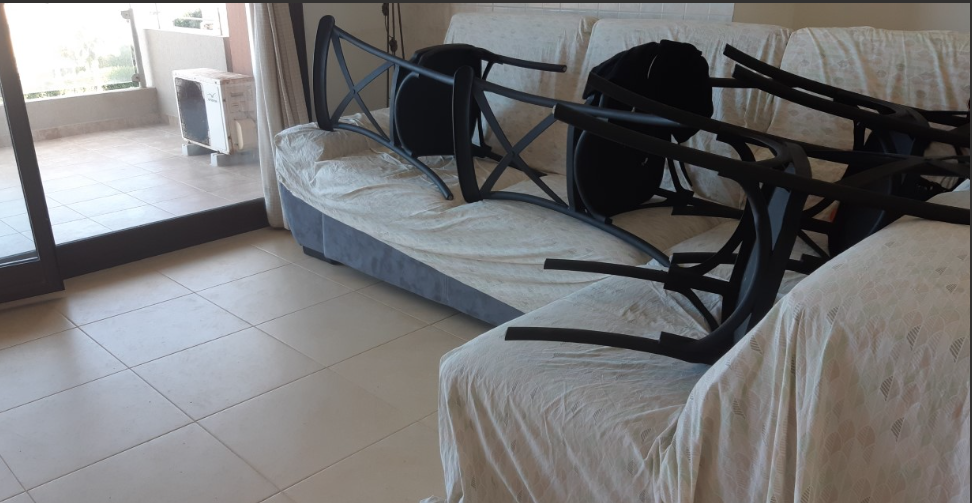
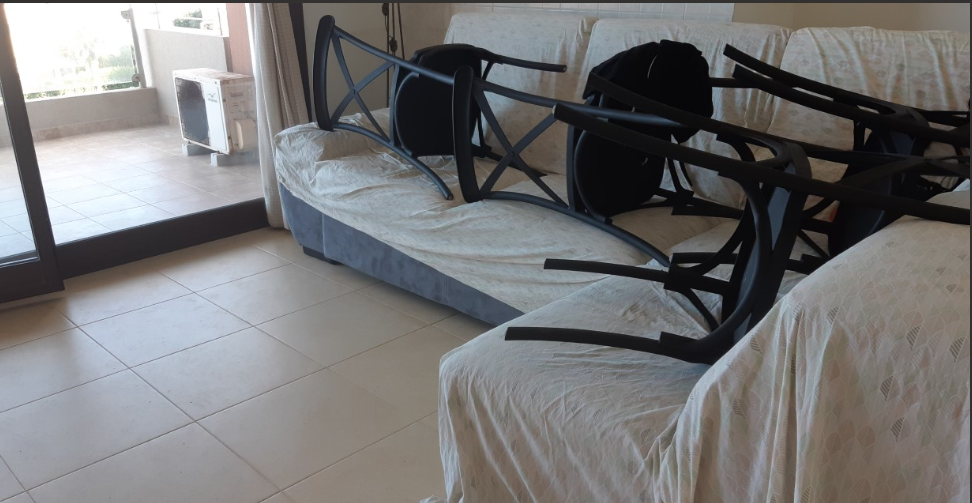
Hi there! Welcome to the forums! To break up this habit and stop your puppy from thinking it's a game, it helps to place some bulky stuff on the couch for the time being. These can be boxes full of big books, folded chairs or laundry baskets. Other options are covering the couch with a plastic carpet runner turned upside down so the hard points are facing upward to make the couch less appealing or plastic mats with spikes that dogs instinctively avoid wanting to walk over or jump onto. These plastic mats with spikes work without the unwanted side effects of shock as some of the older versions of scat mats offered. You can still sit on the couch, but will need to ensure there's no space where he can squeeze into during the training period. In the meanwhile, you want to make your Rottie's own sleeping area extra appealing by providing goodies there so that he associates it with great amenities. You can keep his bed/mat nearby you, against the couch so that he can enjoy relaxing/ sleeping nearby you and can still feel part of the family. Choose a comfortable bed that will make the couch look poorly in comparison. As he gets into the routine of spending more and more time on his bed, you can start gradually removing the bulky stuff one by one from the couch and see how he does. If you need to get him off, provide a long lasting treat (like a stuffed Kong, bully stick, Kong Wobbler) on his bed so that he's not tempting to go right back up. Below is a picture of the setting I used to train a young English setter to stop going on the couch. This also helps prevent the dog from rehearsing couch jumping when you are not around to supervise.
-
Help with crate training
Adrienne Farricelli replied to [email protected]'s topic in Dog Training & Behavior
-
Help with crate training
Adrienne Farricelli replied to [email protected]'s topic in Dog Training & Behavior
Something you can try is using the original exercise pen to surround the crate/crates with the door latched open (so that it doesn't end up flopping around potentially scaring the pups). Below is a picture of a setting I have used for two foster littermate puppies. Eventually, they started to spend more and more time in their own crates so I started closing them in them for short periods of time (while each being fed a Kong) and then longer and longer and eventually removed the exercise pen. If they will be both sleeping in one crate, it can be risky to feed them food or give them toys in it if they are prone to resource guarding. You will also need to watch for signs of them no longer liking to sleep together. While in an exercise pen they are free to move away from each other as they want, with a crate they may find themselves forced to be too close and this can sometimes lead to squabbles as they grow up and become more independent. -
overwhelmed with info
Adrienne Farricelli replied to MELISSA BRADLEY's topic in Dog Training & Behavior
That's so nice of the breeder! The video won't open for me, but I am sure your pup is adorable! -
overwhelmed with info
Adrienne Farricelli replied to MELISSA BRADLEY's topic in Dog Training & Behavior
Hi Melissa, Welcome to the forums! How exciting it must feel to be getting a new Rottweiler puppy! Make sure to post on the forums some pictures when your new pup arrives! I am sorry to hear you are feeling overwhelmed. With puppies, there are lot of things you will need to work on, and you will find that many things will overlap. If you go to the main member page, you will see how upon hovering over the main categories there are clickable dropdown lists: https://www.braintraining4dogs.com/members/ Under puppies as you can see are the main sections: potty training, socialization, bite inhibition, developmental stages etc. If you go to the brain training section you will find a step-by-step guide, starting with obedience 101 and then the brain games. The brain games are placed after obedience 101 because some of them require some preliminary obedience skills. However, this doesn't mean you can't do them while you are still training your puppy in obedience. Actually, it's beneficial to work on them in between training sessions so as to provide mental stimulation and lay some important foundational skills. That's why you'll find Look at Me listed as one of the first brain games to work on. And then in the background, you will be also potty training, crate training, socializing and teaching bite inhibition, it's a whole big work in progress and the reason why many new puppy owners feel as if it's a lot of work, (some say more than having a new baby!). Since you are getting your puppy on the 20th, I would focus right now on reading all the puppy reading material and the big potty training supercharged section so as to know what to expect and be prepared: https://www.braintraining4dogs.com/members/advanced-potty-training/ You can then skim through the obedience training and brain games just to get an idea of what it entails and then focus on these more when you and your puppy are ready. You'll likely find little time the first few days for training, as you'll be spending a good amount of time getting to know each other, watching your pup for signs of needing to go potty, introducing him to his/her bed, toys, water and food bowls, making sure she doesn't chew anything, and getting your puppy used to her new place and helping her cope through the first night away from his/her littermates and mom. As you get to know your puppy better, you may find that some things are more urgent to tackle than others. If you struggle with anything, these is the search button where you can type the problem and solutions will pop up. Same with the forums. And of course, you can always contact me through this forum. I hope this helps! Best, Adrienne -
Training one skill at a time
Adrienne Farricelli replied to AUDREY MURPHY's topic in Dog Training & Behavior
Hi Audrey, Welcome to the forums! Good question. When training a dog, the approach can vary based several factors such as the age of the dog, his/her attention span, whether he/she has received any training before, and the complexity of the skills you're trying to teach. However, in general, it's often more effective to focus on one skill at a time during a training session, especially with a young puppy. Happy training! -
Help with crate training
Adrienne Farricelli replied to [email protected]'s topic in Dog Training & Behavior
Hi there! Welcome to the forums, pretty crates! This can take some time considering that they have never slept in a crate before. Ideally, breeders will get puppies accustomed to crates from an early age while the pups are in their care so as to grant a smooth transition once the new owners bring the pups home and keep them in the crate in a new place the first night. Even then, some pups still struggle as dogs can be anxious about anything that is new or is in a new place. You will need to work on this gradually by forming positive associations with the new crates, while making other places your dogs may choose to rest/sleep extra boring. Here is a guide on helping dogs form positive associations with the crate: https://www.braintraining4dogs.com/members/video-archive/love-the-crate/ Do you have two crates like this or are you trying to make them sleep together in one? I am asking because I see one in the picture, unless there is a partition that I do not see. Do they usually sleep together when in the pen? If so, do they sleep on some type of bed? -
Struggling with food motivation/treats
Adrienne Farricelli replied to ELISABETH JENNINGS's topic in Dog Training & Behavior
Hi Elisabeth, Welcome to the forums! It sounds like your dog is too over stimulated and over threshold to be able to take treats. In these cases, we need to go back to basics, and start really working at home where the dog is more relaxed before moving to more exciting areas with distractions. It's important to go very gradually using baby steps. You may want to try experimenting using a multi-modal approach by increasing the value of the treats, decreasing the level of distractions and taking baby steps. I know you tried chicken and some other treats, but sometimes it takes experimenting to find the perfect concoction. In some cases, what you need is a treat that is very smelly. We may not like this much, but this often seems to make the most impact, which makes sense since dogs use more their sense of smell than their taste buds. Most dogs cannot resist the smell of freeze-dried liver or green tripe and this is why most trainers ensure they have a pack of it on hand. You can find this in most pet stores. Some dog owners make their own liver treats by baking them, you can find several recipes online. Slivers of organic low-sodium beef hot dogs make good training treats since they can be cut up in small pieces and they are soft to eat without making a mess. Most dogs like hot dogs and look forward to training when they discover their existence. Hot dogs are also on the cheap side and convenient since you can get many pieces out of a pack of eight. I always suggest using the low sodium types and preferably organic. Of course, just like people, dogs may develop different tastes. There are some dogs that would do back flips for a piece of carrot or frozen peas. Some dogs love Cheerios while others may like a specific brand of dog treats. Often, mixing a variety of tasty treats will create great interest in a dog since he will not know what may come next. Experiment and see what works best for your dog. Chances are, if you notice your dog's ears are pricked up high, her eyes are wide open and his shivering in anticipation, you got the right type of treat. For using treats with strong distractions though you may need to further take the edge off, so continue reading below. The Importance of Decreasing the level of stimulation Draining some excess energy may help take the edge off. Try to get your dog to play with you out in the yard or in the house prior to the walk. Practice training in front of windows and on the porch before heading out to a walk. If you know that there are animals in certain parts of your walk, walk at a distance for these areas where your dog is better under threshold. Dogs are very good in associating certain spots with animals. If there is a tree with lots of squirrels, you can count on it that every day on the walk the dog will be looking for them. Walking farther away from the trees, tall grass can help you get a more responsive dog that is better under threshold. Here's a guide on getting acquainted on threshold levels in dogs, although this article talks a lot about stress, it applies to dogs who are overly excited or over aroused too. In your case, you will therefore have to watch for signs of over arousal associated with your surroundings: https://www.braintraining4dogs.com/members/archive/threshold-levels/ To increase the value of the treats, it may also be worth trying training when the dog is hungry (like first thing in the morning) or an empty stomach. Baby steps: You are dealing with one of the most difficult obstacles to overcome when it comes to dog training: ignoring strong distractions such as fleeting animals, strong smells and presence of dogs. This is an instinctive behavior and it takes lots of training to get a dog to respond despite this level of distractions. Your dog may not be ready for this level of training yet. This is OK, many dogs are not ready for this level of training even the most trained ones. It takes a certain level of impulse control to control strong instincts (we must remember that although domesticated, dogs still have strong instincts to chase animals as it's linked to survival). You will need to take baby steps. First, practice training indoors, then you can practice remaining calm by looking at some distractions from a window: https://www.braintraining4dogs.com/members/brain-training/university/look-at-that/, then you can practice on the porch, then on a short walk without going deep into the woods, then walks on paved areas where there are less distractions. You will need to scan the environment for distractions and work around them before going "deep into the woods." Work on responsiveness to the smacking sound and attention heeling. Again, practice heeling indoors and in the yard and try to make the behavior fluent as possible before walking by areas where there are animals. The responsiveness to asking for heeling needs to be strong, almost instinctive. Indoors, your dog should be able to take treats.. This is how I train heeling and attention heeling: https://www.braintraining4dogs.com/members/brain-training/obedience-101/heeling-attention-heeling/ If you continue walking by areas where there are animals and your dog hasn't yet accomplished a level of control and fluency yet, meaning that her training breaks apart, you are at risk for setting your dog to fail and allowing rehearsal of the problem behavior. In other words, your dog gets good at practicing the behavior and ignoring you and the more she practices this, the more the behavior becomes difficult to overcome. Once you have attained a good response in getting your dog to heel in low distractions areas, it's time to then try some "mock sessions'' with a friend wiggling a flirt pole around and you walking past it with your dog heeling. You can then practice with places where you know there are animals but from a distance where your dog is under threshold and better capable of cognitively functioning. If at any time, your dog's training starts breaking down, take it as a signal that she wasn't ready for that level of proficiency yet and you may have to further create distance. Increasing the value of treats, decreasing the value of distractions and taking baby steps is often the approach needed in these over threshold dogs. Hope this helps! Let me know if you need any further assistance. Regards, Adrienne -
Socializing rescue puppy
Adrienne Farricelli replied to AnnGartner's topic in Dog Training & Behavior
Hi there! I hope your holidays were fine. Congrats on your new puppy and thank you rescuing a pup who has had such a rough start. I am glad to hear that she is warming up with your husband and it seems like she is enjoying the training sessions. If she missed out during the critical socialization period which takes place roughly between 3 weeks and 3 months, there are still chances for remedial socialization. Remedial socialization must be done very gradually and carefully. It's important to keep an eye on her body language to ensure she doesn't get stressed. I would start with some distance work, like going on car rides, sitting with her in the car and feeding treats upon seeing people. This would be the car version of the Look at That Game which uses a window to watch people or dogs walk by https://www.braintraining4dogs.com/members/brain-training/university/look-at-that/ Of course, you can do the indoor version at home too if you happen to have somebody working in the yard or volunteer helpers. I would aim for a positive conditioned emotional response: https://www.braintraining4dogs.com/members/archive/conditioned-emotional-response-cer/ Once she's doing fine with that, I would put the leash on and get her out of the car and do the same exercise of feeding treats upon spotting people while sticking nearby the car. Again, strive for a positive conditioned emotional response upon spotting people. As she does better with that, you or your husband can keep on creating positive associations upon seeing people on walks. There are several exercises you can do on walks that can help form positive associations with seeing people. -The “Find It” Game In this game, as soon as your dog spots a person, grab a handful of small tasty treats and toss them to the ground, saying, "find them!" as you enthusiastically point to them. This should keep your dog busy, provide an alternate behavior for your dog to engage in, and at the same time, create positive associations with people. -The "Attention Heeling" Game In attention heeling, your dog must look at you and glance into your eyes while walking. You will need to use your smacking sound and keep a treat at eye level to have your dog glance into your eyes. Once your dog masters this, you can practice cueing the behavior while walking, starting with just one or two steps. I like to practice this off-leash, using a long hallway, and then practice this off-leash in a fenced yard with the dog glancing up at me as I praise and reward the dog. Progressively, you can increase the duration of the looking-at-you-while-walking behavior by delaying when you provide the treat and then you can start introducing this exercise on walks, practicing with mild distractions first before adding the distraction of people at a distance and then more up close. - The "Go Around" Game When working around strong distractions such as other people, dogs etc., it’s important to avoid full-intensity exposures for which your dog hasn’t developed the necessary coping skills yet (in these cases, avoid certain areas or provide distance, such as by performing an emergency U-turn). However, sometimes life throws surprises at you no matter how much you try to avoid them. In these cases, you may find the "Go Around Game" helpful. I have used this method with horses who needed to calm down and be distracted. In the horse world, there is a saying, "Straight lines make them go, circles make them slow," and this applies to dogs, too. Ray Lincoln and Emma Lincoln mention about this method in their 2011 book Awesome Puppy: Activities & Training to Make Your Puppy an Awesome Dog where they mention that the walk-in-a-circle method "breaks the chain of thought and distracts him." In this game, as soon as your dog shows spots a person and you think she may bark, act stressed, you will slide one hand down the leash while the other holds the leash higher and walk in a small circle as your dog is gently guided to do a larger circle around you. At the end of the circle, you praise your dog and reward. This helps reduce your dog's pulling power while also preventing her from rehearsing barking behaviors. As with other trained behaviors, it helps to work on this exercise in a quiet area and work on making the circling behavior fluent. Here I am "circling" a young English setter who is "reactive" towards other dogs. -Working more up close Once she's doing fine with distance work, you can work more up-close always very gradually. I personally like the treat retreat game for this. https://www.braintraining4dogs.com/members/archive/treat-retreat-game/ It may help to have people ignore your dog initially, until she's ready for getting attention. I would therefore instruct helpers to avoid looking at her, talking to her and trying to loom down to pet her. Once positive associations are formed with people ignoring her, it is possible to very gradually add little things like talking to her and tossing her a treat, looking at her and tossing a treat, getting up from sitting and tossing her a treat etc. As always, pay attention to her body language. If at any time you notice signs of discomfort/stress, plan on making whatever stresses her less worrisome (by increasing distance, making the action less scary, feeding a higher value treat). I hope this helps, please feel to reach out if you need help on a particular issue or want to post updates. Happy Training! Best Adrienne Disclaimer; If your puppy or dog shows signs of potential aggression (lunging, barking, growling, snapping, biting), please consult with a dog behavior professional for direct in-person guidance. Articles, videos, and general information provided online are not meant to replace in-person training/instruction. By using this service, you are waiving any liability claims or other types of claims related to any of your dogs' behaviors against you or others. -
7 month old GSD barking at nothing
Adrienne Farricelli replied to [email protected]'s topic in Dog Chat
Hi there, Welcome to the forums! Gemma's (lovely name!) behavior can certainly be puzzling, especially when we cannot pinpoint the exact source that triggers the barking. In these cases, we need to trust a dog's superior senses. In a nutshell, dogs may be seeing or hearing (or even smelling) something that we are not able to sense. The fact that you describe her barking in the home and then when let outside she barks as she runs around the house seems to suggest that there is something going around the house. Perhaps some critter lives in the walls or right as the base of the foundation. Once Einstein and Petra were acting weird (whining a lot) in a country home we were renting and turned out, there was a mouse in a kitchen cabinet! In another case, their barking led us to discover there were squirrels in our attic. Being that you live in the country, the critters can be anything from small country mice, to squirrels and chipmunks to even bugs. This may explain why the behavior is not observed at the groomers, they likely are localized in a more central area or may have pest control. If there are mice or other rodents, please avoid using rat poison as it's toxic to dogs. Consult with a pest control company that can find pest removal options that are safe for your dog. Short of having a pest control/ exterminator inspect your home, general tips that come to mind is taking her out on a long leash when taking her outside so as to prevent her from rehearsing the barking behavior and keeping some type of white noise in the house to muffle any sounds. She may still smell critters, so that makes it more difficult to cover up, but it may help if her barking is noise-induced (like from critters scurrying). Letting her interact with some toys that have smelly foods may help distract her and possibly give her some type of "closure." Another option is letting her play with a flirt pole or tug toy made of rabbit fur. These can work as "outlets" for her prey drive. In regards, to jumping, when dogs manage to jump on the back when we turn around, I like to add a further consequence which is having the people temporary leave by exiting the door. You will need to invite over helpers to help your dog succeed. Here is a general guide: https://www.braintraining4dogs.com/members/case-studies/02-maggie-assessing-jumping-behavior-desensitization/ https://www.braintraining4dogs.com/members/case-studies/02-maggie-practice-greetings/ I hope this helps, Happy Training! -
Wall Chewing/Biting
Adrienne Farricelli replied to MATTHEW ZEITLER's topic in Dog Training & Behavior
Biting your wife's feet: this is little different from the shoes chewing and wall/kitchen cabinet chewing for the simple fact that feet are interactive. In other words, since most likely your wife moves her feet to prevent chewing (and because it hurts!) this is perceived by the dog as a fun game. Dogs like the interaction and attention. Movement triggers more biting and the more we resist by moving, the more a puppy will latch on and treat us as tug toys. In these cases, while we work on reducing the behavior, it may help to find ways to make the biting less painful/difficult so that we no longer provide interaction and the habit can reduce. Some dog owners have found it helpful to wear tall Wellington boots in the process. Many dogs lose interest when biting on tall rubber boots because they are difficult to grasp and also because when wearing tall boots we are less likely to get hurt and move and once again movement is what puppies are after. Following are more tips: -Turning into a Lamppost This helps to make the rough nipping at the feet extra boring. When you are walking and you see your puppy approach, stop in your tracks and become boring like a tree. Movement triggers more biting and the more we resist by moving, the more a puppy will latch on and treat us as tug toys. -Asking for a Replacement Behavior The replacement behavior needs to be one that have been trained prior to the point of a certain level of fluency. You have several options as to what replacement behaviors to use. They all offer the dog an opportunity to perform a behavior that is incompatible with biting. -Carrying a Treat Bag Teaching replacement behaviors requires you to carry a treat bag on you during the day so that you are a ready to redirect at a moment's notice when you walk around. Kibble rather than treats can be used when concerned about extra calories or digestive upset. -Training a Reliable Sit Train the dog to 'sit." You need to train sit prior in a low distraction setting and then progress to asking it when you are walking (remember to stop in your tracks as your pup approaches). As your dog approaches, say "sit" and then reward by tossing the kibble/treat the opposite way as you walk away. If your dog eats quickly and then catches on with you as you're walking away, stop walking and rinse and repeat the exercise of asking the sit. This works great because you are adding obedience training, giving the dog a workout and preventing her from rehearsing the troublesome behavior. Win-win! -Training Attention Heeling Train your dog to do some attention heeling (dog walking next to you looking into your eyes) inside the home (no leash needed). If he can stay so focused on your feet, he can eventually be taught to stay focused on your eyes. Every time he makes eye contact with you, you toss a treat across the room so that he gets a workout too. Now, with the short attention span of puppies, don't expect to get long sessions of attention heeling, but just a quick glance works. You can start by stopping in your tracks asking for attention and then add gradually motion (walking) as you progress. -Offer Some Redirection What to do in the meanwhile, prior to your dog learning the replacement behavior well? As you work on training a replacement behavior, you may wish to redirect him when he approaches and you stop walking to some toy such as a tug toy or a flirt pole to prevent rehearsal. You can also try tossing a ball the opposite direction. -Wear the Best Attire To set up your puppy for success, avoid wearing shoes with shoe laces, long skirts and wide leg pants. If possible, during the training period, wear tall boots (like Wellington boots). Many puppies lose interest when biting on boots, but also when wearing tall boots, puppy owners are less likely to get hurt and move (and movement is what attracts pups). -Train Some Bite Inhibition Although you aim to stop a puppy from biting hands and feet, you don't want a puppy to stop all forms of mouthing altogether. Puppies need to learn how to inhibit their bite (put less pressure) before their jaws develop and they are able to inflict quite some serious damage. As tempting as it may feel to start rough-housing or wrestling with the puppy to teach this valuable lesson, it is best to refrain from doing so as this only teaches the pup to play rough. Instead, try using a tug-toy in lieu of your hands. Should your puppy ever miss and bite your hands, drop the toy and stop playing. Another option is to keep a treat in your closed hand and release only when the pup is gentle with his mouth. You can also work on getting your puppy to develop a soft mouth during quiet times by allowing gentle mouthing and providing positive feedback for using a soft mouth. It's important to practice during quiet times at first because if your pup can't control his bite when relaxed, you can't expect him to be able to when he's highly aroused. Make it crystal clear that no-biting behavior and licks get praise and continued attention while bites make you stop the interaction and even go away. -Don't Forget to Keep That Brain Busy! Last but not least, provide more training, mental stimulation and brain games (pick brain games that allow him to chase things and get rewards out of them like kibble out of a bottle or a Kong Wobbler) so that he should seek them more and more which can turn your hands and legs pretty boring after a while because he gets more out of these activities when he's bored. Here is the more comprehensive guide for nippy pups with links: https://www.braintraining4dogs.com/members/archive/replacement-behaviors-to-stop-puppy-biting/ I hope this helps, Happy Training! -
Wall Chewing/Biting
Adrienne Farricelli replied to MATTHEW ZEITLER's topic in Dog Training & Behavior
As with chewing the wall and kitchen cabinets, shoes can be perceived as great chewing items and the chewing can also stem from boredom and attention-seeking behavior. Shoes also have some extra layers of appeal. For instance, shoes carry a lot of our scent which makes them particularly appealing to dogs. Also, since we walk in many places with our shoes, our footwear also carries a whole lot of scent that makes them even more attractive. It's like a buffet offering a smorgasbord of smells! On top of scent, consider texture. Shoes are made of materials that may be appealing to dogs to chew on and those fabric shoe laces sure makes them fun to play with. If your wife's shoes are made of leather, consider that leather ranks high as a dog's favorite type of shoe to chew on because it smells good and tastes good since it's made of cattle hide. Chewing on leather is also rewarding on its own as it tends to become softer and tastier the more the dog chews on it. Fuzzy slippers can be greatly fun to chew too considering that they bring out a dog's ancestral need to chew on fluffy things and rip them apart as if they were treasured prey. So shoes surely draw a dog's attention! Since dogs like to often lie close to our feet, it's just a matter of time that their sniffing turns into into mouthing, and then their mouthing turns into chewing, and next thing you know, our shoe is broken into pieces. Stopping a dog's shoe chewing habit is important considering that chewing on shoes is not the healthiest thing to do. If a dog ingests large parts such as parts of the rubber sole, the insoles or gel pads or pieces of leather, these can lead to a foreign body obstruction which can turn into a costly surgery. Shoelaces if ingested also risk becoming wrapped around the dog's intestines on their way through the gastrointestinal system and can cause serious damage, With all these risks in mind, it therefore makes sense to want to find a way to stop a dog's chewing shoes habit for good. Here are several tips to stop show chewing. -Out of Sight out of Mind If you don't want your dog to chew on shoes, the solution is easy: keep those shoes out of the way. At least until he is better trained and we are sure all his needs are being met and that secondary teething stage is over. -More exercise and mental stimulation Shoes should become less tempting if the dog is given more exercise and mental stimulation through brain games, interactive toys and safe items he can chew on. Experiment with a variety of chew toys, specifically those made for larger dogs (like Black Kongs, Goughnuts, Topples) -Keep Training Leave it and Drop it If your dog is not responding to leave it, it can be because the shoes are perceived as too valuable or the trades aren't high-value enough. Go back to basis and start practicing with lower value items, and increase the value of trades as you go higher up the value of the items left/dropped. If your dog "leaves it" only to go back to the shoe within minutes, find a way to break the cycle such as by providing something long lasting that will keep the dog's mind off the shoes. Asking for obedience cues like a sit , down, hand target when he keeps coming back towards the shoes, and tossing a treat across the room for complying can be a good way to drain some extra energy and keep the mind off the shoes for some time. How to retrieve a shoe Caught your dog in the act? Instead of getting upset or chasing the dog around (which often leads only to a miserable keep away game), grab several high-value treats /or a dog cookie (keep them always handy on a tall shelf near the couch or in your pocket) and calmly trade the shoe for the treats/cookie. To be extra safe, just toss the treats/cookie the opposite way as you retrieve the shoe. -
Wall Chewing/Biting
Adrienne Farricelli replied to MATTHEW ZEITLER's topic in Dog Training & Behavior
Hi there, Welcome to the forums! Chewing regressions aren't unusual at this age. At the age of 10 months, your GSD is officially an adolescent and several physical changes take place during a dog's adolescent stage. The adult permanent teeth come in (move over puppy teeth!) and the dog likes exercising his jaws so with this comes a renewed interest in chewing. Think of it as a human teenager getting his wisdom teeth in, remember how nice it felt to chew gum? Some call this the "second teething stage" which takes place between the 5th and 12th month, a time when your pup may be more destructive than ever now since he's blessed with stronger jaws. Chewing the wall and kitchen cabinets may be caused by a mix of a strong urge to chew combined with some boredom. If we think about this, chewing is likely a problem because our dogs are kept indoors for a good part of the day with not much to do. If they were in the great outdoors, it's a no brainer, they would find handy things to chew on, perhaps a branch, a little twig. It could therefore happen that during idle times of the day, a dog happens to be sitting next to the wall, or kitchen cabinet and bored and with nothing else to do, they happen to casually lick the corner of the wall, and next thing you know, he's chewing on it. In this case, chewing on the drywall provides sensory reinforcement, in other words, it just feels good. And when something feels good, dogs will want to experience it over and over. While many dogs chew when they're undergoing a second teething stage or out of boredom, sometimes the behavior may stem from something else such as anxiety. If your dog is anxious about noises in general or scary events such as thunderstorms or construction workers drilling holes in an apartment nearby, he may experience intense anxiety and fear and may cope with it through chewing. Dogs who enjoy social interaction with their owners and feel socially deprived, may sometimes resort to all sorts of behaviors in hopes of getting their owners to interact with them. Sometimes, bored or socially deprived dogs will even try things that lead to negative attention (such as being scolded or pushed away) just for the sake of getting their owner to stop watching whatever they are doing (like watching television) and start interacting with them. This is often the case of dogs who are alone for a good part of the day and expect some attention when their owners come back from work. So if chewing the wall gets your attention (and it certainly does!), this moment of brief attention, even if of the negative type may reinforce the wall-chewing behavior, which will lead to more wall chewing in the future just for the sake of attention. If your dog is chewing drywall, consider that dogs may find it particularly attractive because drywall contains gypsum which is a mineral conglomeration composed by a large amount of calcium sulfate. This makes drywall very similar to bone causing dogs to want to keep on chewing on it. In these cases, it may be worthy having the dog's calcium levels tested. Something to consider is that, because gypsum is made up of tiny crystals, these can be irritating to the lining of the dog's stomach, possibly leading to some vomiting and diarrhea. With these potential causes in mind, here are several tips: -Start With a Vet Visit A vet visit may be a good place to start just to ensure there's nothing going on in the health department. Once health issues have been ruled out, then it's time to roll up sleeves and try to work on the problem. -Tackle the Anxiety If your dog chews through drywall because he is anxious, you will need to identify his triggers and implement a systematic desensitization and counterconditioning program. Your dog may need calming aids along with behavior modification to tackle the anxiety whether it's due to noises or something else. -Hire an Exterminator This is the case if you suspect there may be critters in the wall. Look for an exterminator using animal friendly-options and products that are safe to use around your dog. -More Exercise and Mental Stimulation Bored dogs, or dogs in need for attention, benefit from being provided with more exercise and mental enrichment (brain games, training, sniffing opportunities) -Provide Sensory Enrichment Provide several safe chew toys of different textures for sensory enrichment and don't forget to rotate them to keep a sense of novelty. Look for chew toys that offer treats inside so that it's a no-brainer for your dog to pick these in lieu of the wall or kitchen cabinets. Tip: to make a Kong last longer, freeze it with its contents in the freezer and offer it once frozen. -Block the Wall /Kitchen Area Chewing dogs should be blocked from gaining access to the wall area when unsupervised and while the dog is trained to learn that other behaviors garner attention such as calmer, more desirable behaviors garner attention. You can do this by placing bulky furniture in front of the wall area/ erecting an exercise pen in front of it/ erecting a baby gate to prevent access to the kitchen. Consider that dogs are particularly drawn to areas that they have started to chew already as they enjoy "finishing up the job." With the energy drained, the introduction of interactive toys, more exercise and mental stimulation, attention provided contingent on desirable behaviors take place, denied access to the problem areas when the dog cannot be supervises and until the dog is better trained, the wall should become less and less attractive over time. Next, let's tackle the shoe/feet chewing behavior.... -
Hi there, So sorry to hear that your dog has started to become aggressive. This is very unusual and the very first time I have heard that. Brain Training 4 Dogs methods are force-free and unlike alpha or dominance dog training they are meant to not encourage aggression. Actually, to the contrary, studies have found that dogs trained using positive reinforcement methods are reportedly less stressed and less likely to be aggressive. I am curious to know how the aggressive behavior manifested, in what exact context, what you were doing at the moment the very first time you noticed a behavior change, how you have corrected your dog for not getting things right, your emotions during the training (happy? frustrated?), for how long you have been training, what behaviors you have seen (describe what he does when being agitated/aggressive) and also what method you switched to that has caused to calm down. Also, it would be helpful to know how long you have had this dog. If you have your mind set on getting a refund, you can contact Click Bank directly or support at [email protected].
-
Counter conditioning without food?
Adrienne Farricelli replied to ZOFIA WISNIEWSKA's topic in Dog Training & Behavior
Sorry, just noticed right now that you mentioned he's a 1.5 year old or border collie. So I am going to take little snippets of your text and share my thoughts. Now I have learned about counter-conditioning before, but the problem I have is that as long as there is a dog anywhere in sight, he’s just completely uninterested in food. And yes, I tried store-bought, self-made, raw, human food, all kinds - nothing interests him. So one important facet of counterconditioning is that it works best when combined with desensitization. Your dog is showing signs of being over threshold. If we don't lower threshold it would be difficult for counterconditioning alone to work (it can still work, but it will take longer and there will be more room for setbacks). Here is a read about threshold levels: https://www.braintraining4dogs.com/members/archive/threshold-levels/ Here is a read about desensitization: https://www.braintraining4dogs.com/members/archive/desensitization/ If a dog is far enough sometimes he will absent-mindedly take the treat while staring at the dog but I think he does it more as a “I’ll take it if you want me to” rather than a reward. This is a good sign! Remember that when taking a treat during counterconditioning, we are not looking to reward behaviors, but creating positive associations. It doesn't matter how he takes the treat. Actually, taking treats absent-mindedly is often a starting point. The more he does it, the more it will start "to register" more and more eventually. For challenging cases where keeping under threshold is difficult, I sometimes need to smear a little canned food on the dog's lips to get them started, the behavior may seem mechanical at first, but with time it gets better. I call the treats given this way "chill pills" because it seems like with time, the dog starts to eventually calm enough to take the treats more rationally and it paves the path for behavior modification. Make a mental note of this distance, it's a starting point, although ideally, I prefer starting from a distance where the dog takes the treats in a more relaxed state or working more on teaching better coping skills altogether before going on walks where triggers are present. Now if you have a nice window with a view over dogs walking by the road (or having some volunteers), you can even start with that to implement some 'look at that exercises" as discussed here: https://www.braintraining4dogs.com/members/brain-training/university/look-at-that/ Odd thing is, this has only been happening for maybe a month. I don’t believe anything particular happened to trigger this. Previously he’d do the lie down and sometimes pull on the leash a little but there was no tension and barking and lunging. I also spent all of last week at my boyfriend’s place with my dog and he was completely different on the walks there - yes, he’d stare and lie down when he saw dogs but he was able to listen to me otherwise, didn’t bark at nothing, didn’t seem tense. As soon as we got back to my place and stepped out of the car he went tail up and started barking on the corridor. So it seems like it’s also location-specific? It's likely that your location has a strong rehearsal history. Your dog may have formed strong associations with the area and rehearsing the barking/lunging behavior so much so that once he sets foot there he goes into "reactive mode." I am really frustrated with this, it seems whatever I try either doesn’t work at all or works for a moment and then stops working. For example, I tried just marking focus and attention, so if he’d look at me or be close by I’d say “yes!” and give him a treat if he came up. And as soon as I started doing that, he would focus heel half the walk, unprompted, I’d tell him to go sniff or go potty and he would do that and come back. And that made me so happy and suddenly one day he just stopped doing that. Like if he looks and I say ‘yes’ he will just continue on. There are good chances that things are working well for a moment and then something happens that causes him to go over threshold or he struggles keeping his attention on you for too long, which is normal if we haven't worked much on adding duration to a behavior. However, the good news is that he has shown you the potential for being capable of paying attention. If you reinforce those glimpses of attention, and work on maintaining low threshold levels, you should be getting more and more of these successful episodes. Remember: In classical counterconditioning: we feed treats to form positive associations with triggers In operant conditioning: we feed treats to reinforce desirable behaviors. If a dog is too over threshold, operant conditioning becomes difficult. The dog cannot cognitively function to rationally perform a behavior. The dog is in a fight or flight state, think trying to solve a math problem when you are on a sky scraper and scared of heights. If we though work on making triggers less worrisome through classical counterconditioning, the good news is that paves the path for our cognitive functioning to open up. If the person scared of heights is offered some form of therapy to make heights less scary, he or she will eventually be able to solve that math problem. If he's struggling, it's therefore OK to work around strong distractions by tossing some treats to the ground for him to go chasing after. Just for the sake of making him get through that critical moment without barking or lunging and hoping for a change in the mindset to piggy back as well "Oh a dog! Now, where are those fun treats to chase?" We can always practice some steps of flashy attention heeling before tossing the treat later on in the next sessions, but we really want initially to come home with some little successes to build on. Sometimes, it's best to cut a walk short and come home with some nice success rather than walking a bit more and encountering a set back. For this reason, the advice of putting a halt on walks (or keeping them brief) until the dog has shown the ability to be less over threshold is sound advice because we don't want the dog to be flooded with stress and endure too many setbacks and rehearse problematic behaviors over and over. It's important to protect the work done and set ourselves for success. Some difficult cases may require RX meds by the vet to lower threshold enough to get started. You can start to train him to respond enthusiastically to a fun treat toss game starting at home. As soon as he approaches you, toss several kibble in different directions at a distance and tell him to go "find it!" as you point at the kibble. You can then do this on leash in the house, and then on leash in the yard, and then on leash in front of house, and then on walks with no dogs, and then on walks with dogs at a distance. You can eventually start introducing a sit prior to the kibble toss game at home, so that his sitting and then chasing, yo-yoing back and forth between you and the tossed kibble, and then carry that over on walks, but for now, we just want to build on little successes here and there before asking for specific behaviors which takes more effort. Here are more tips for walking reactive dogs: https://www.braintraining4dogs.com/members/archive/how-to-make-your-dog-less-reactive-on-walks/ He’s a 1.5yo BC, unfixed. The crouching down behavior is typical of border collies. It's part of their herding behavior. Border Collies have undergone strong selective breeding for the exaggeration of the "orient >> eye >> stalk /crouch>> chase" component of the canine predatory sequence, while considerably decreasing the confrontation and killing components so that they could work with farm animals without harming them. When border collies herd a flock of sheep, they may be therefore often seen eyeing (basically staring at the sheep to control them) and crouching down towards the sheep carrying their head low, hindquarters high, and tail down. After stalking, border collies will spring into action employing a variety of herding styles such as rushing to the front of the flock to turn or stop the sheep's movement or gather them into a group to move them towards the shepherd. Even though many herding dogs are no longer used for herding to the extent of before, the strong instincts to herd are often alive and well in these dogs, to the point of them wanting to eye, stalk and creep up towards anything that moves and captures their attention, and often this includes other dogs, vehicles and people too! To reduce this behavior, it's important to always scan the environment looking ahead. Until trained to perform an alternate behavior at a fluent level, when on walks, pay close attention to your surroundings and work on maintaining that distance. If another dog is approaching and you cannot give your dog enough distance, make an emergency u- turn. https://www.braintraining4dogs.com/members/archive/emergency-u-turn/ It also helps enrolling sheep dogs in some fun canine sports to provide them with some outlets for their ingrained herding behaviors. In particular, herding trials are great as these dogs get to do what they were bred for, but if there are no livestock in your area, the sport of Treibball (where dogs get to herd large balls) can be equally satisfying. You can also find some herding balls for dogs online that your dog can play with in the yard. Don't forget as well to keep that mega border collie mind busy! I hope this helps! Keep us posted on how things go. If you have setbacks, feel free to post here and we can do some troubleshooting, Happy training! Best, Adrienne